


Eastern Arc Mountains
Birding Tour in Tanzania



Tour Overview
For those who live and breathe birds, this trip is a dream. It brings you to some of Africa's most important and diverse ecosystems. You'll traverse the South Pare, Usambara, Uluguru, Udzungwa, Kilombero Valley, and Ukaguru Mountains. Each of these places is home to birds you won't find anywhere else, presenting a unique opportunity to spot a range of rare and critically endangered species. It's an experience that will stay with you, a true gift for birdwatchers and anyone who loves nature.
It's an experience that remains, a genuine reward for birders and nature seekers alike.
Upon request, this tour can be extended to include the Pemba endemic birding tour.
Highlights
Tanzania's Eastern Arc Mountains, historical landmarks, Tanzania's national parks, nature forest reserves, local towns and villages, landscapes, history, and culture.
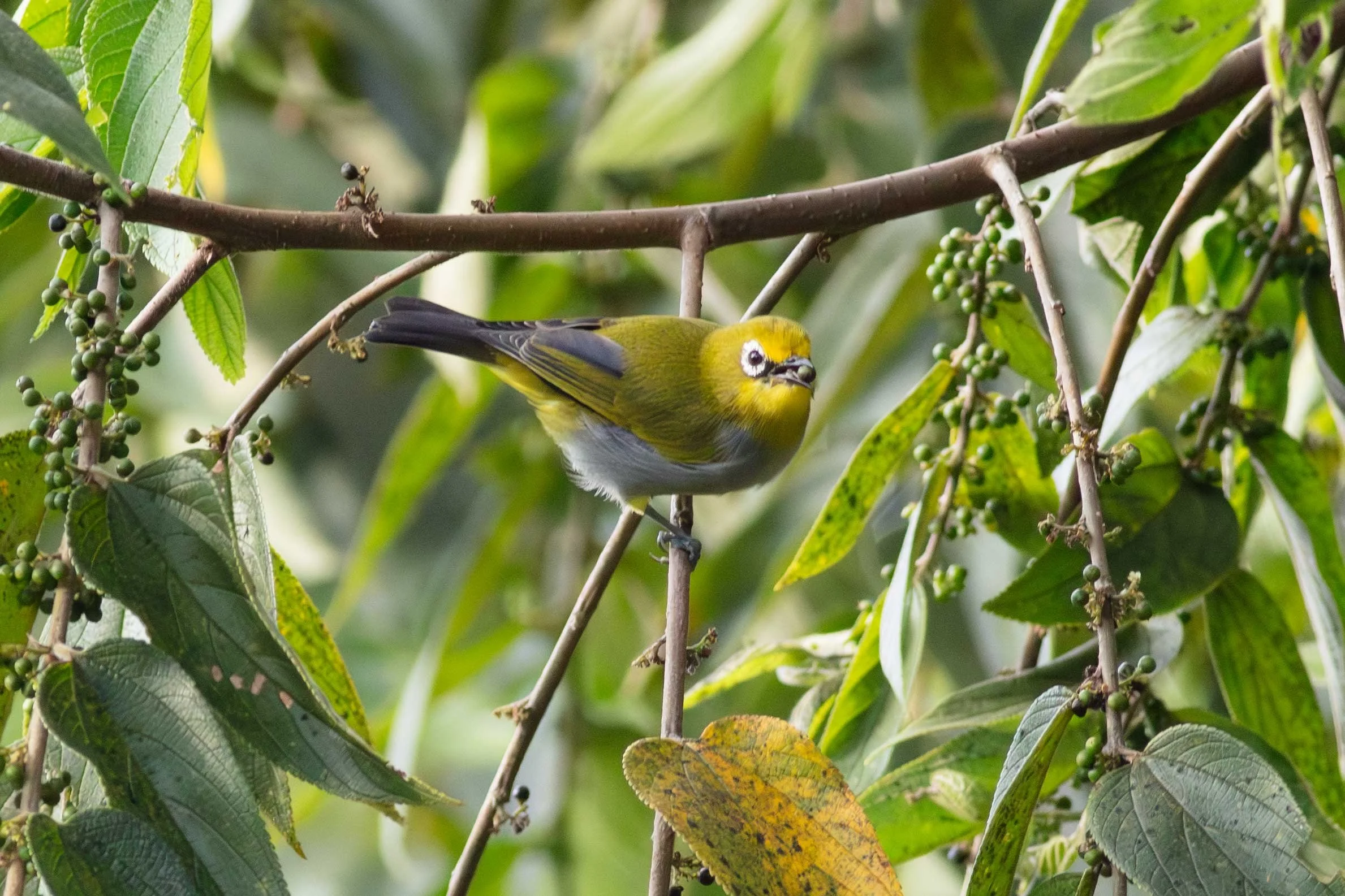
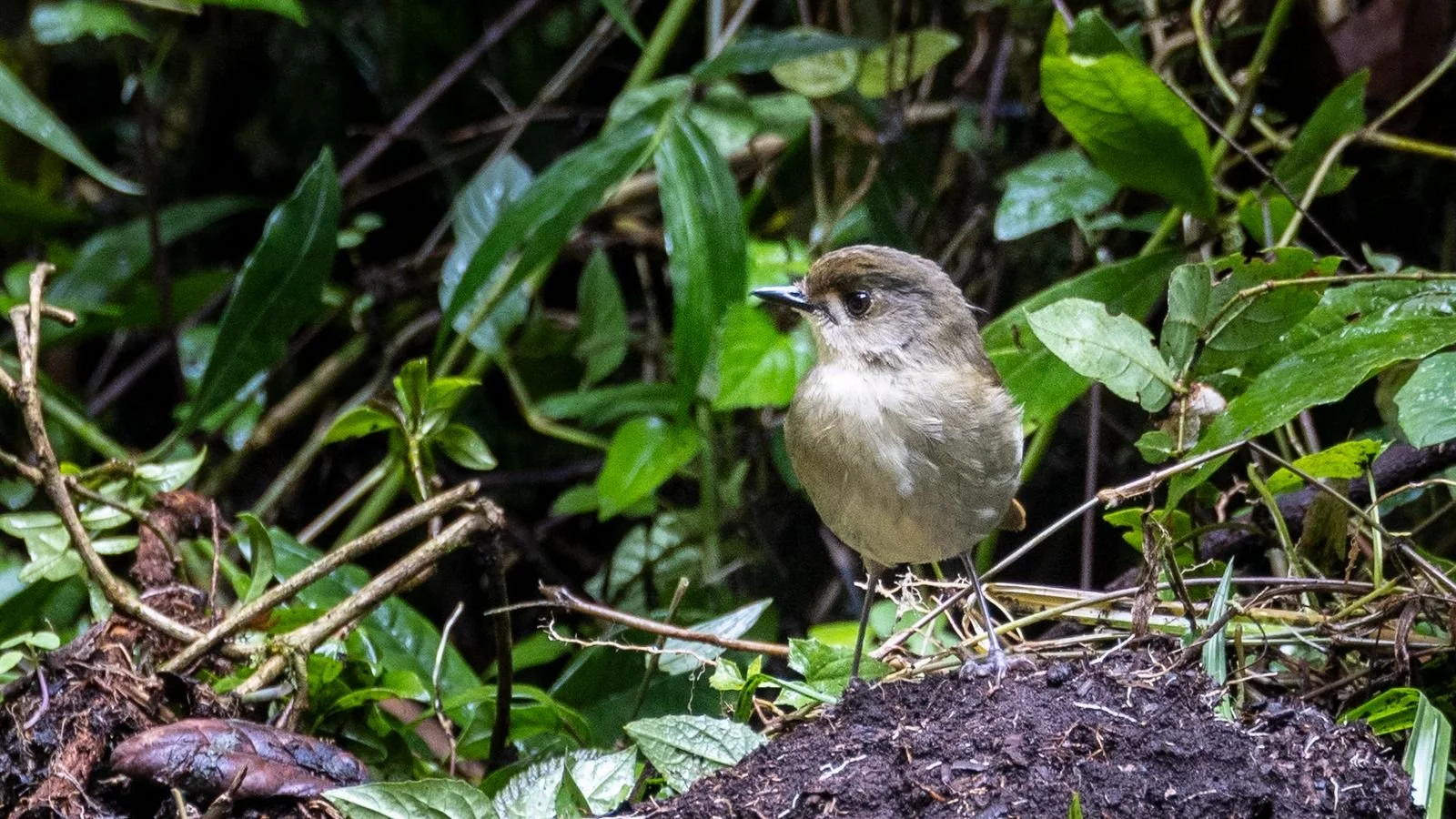
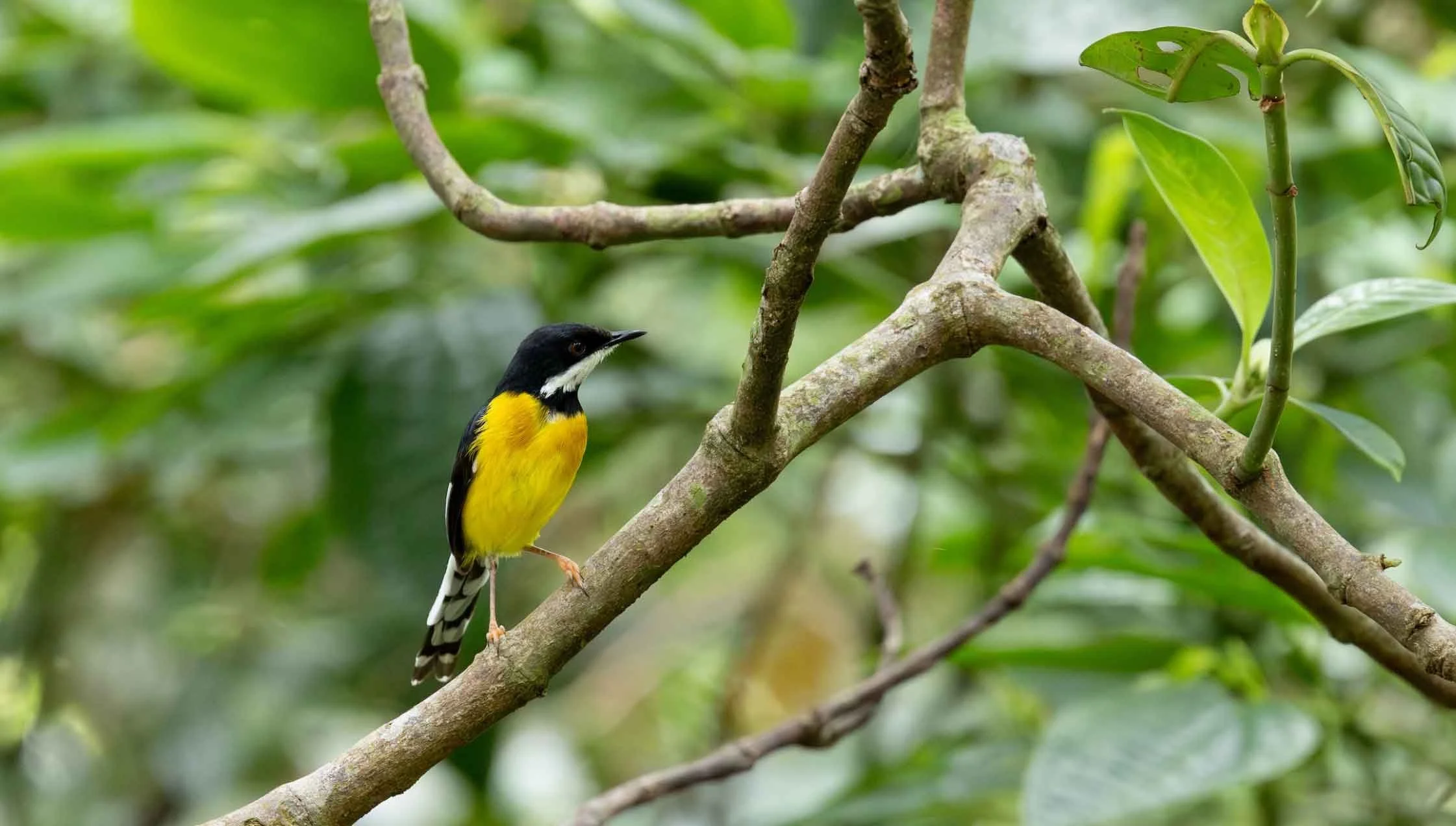
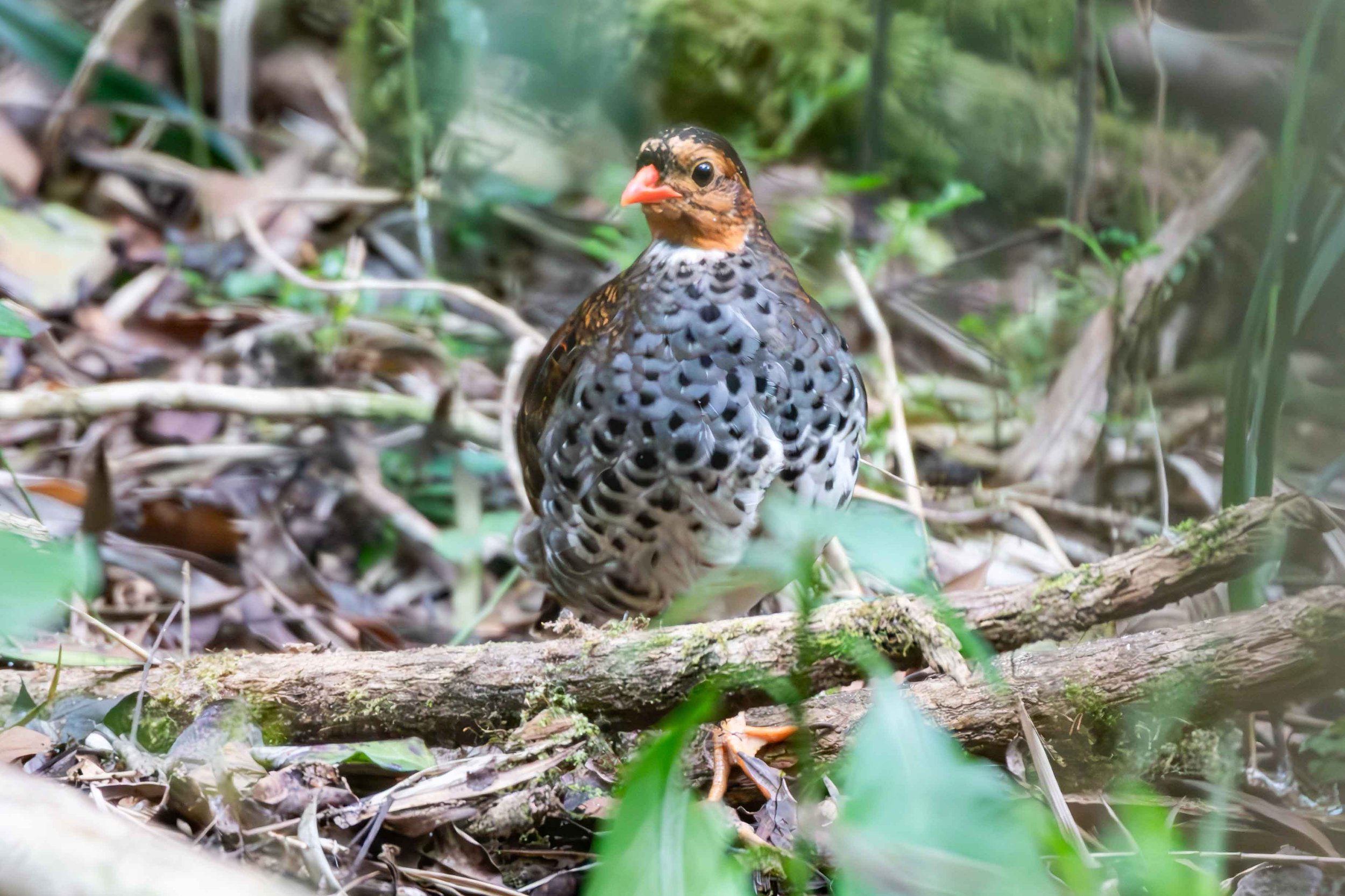
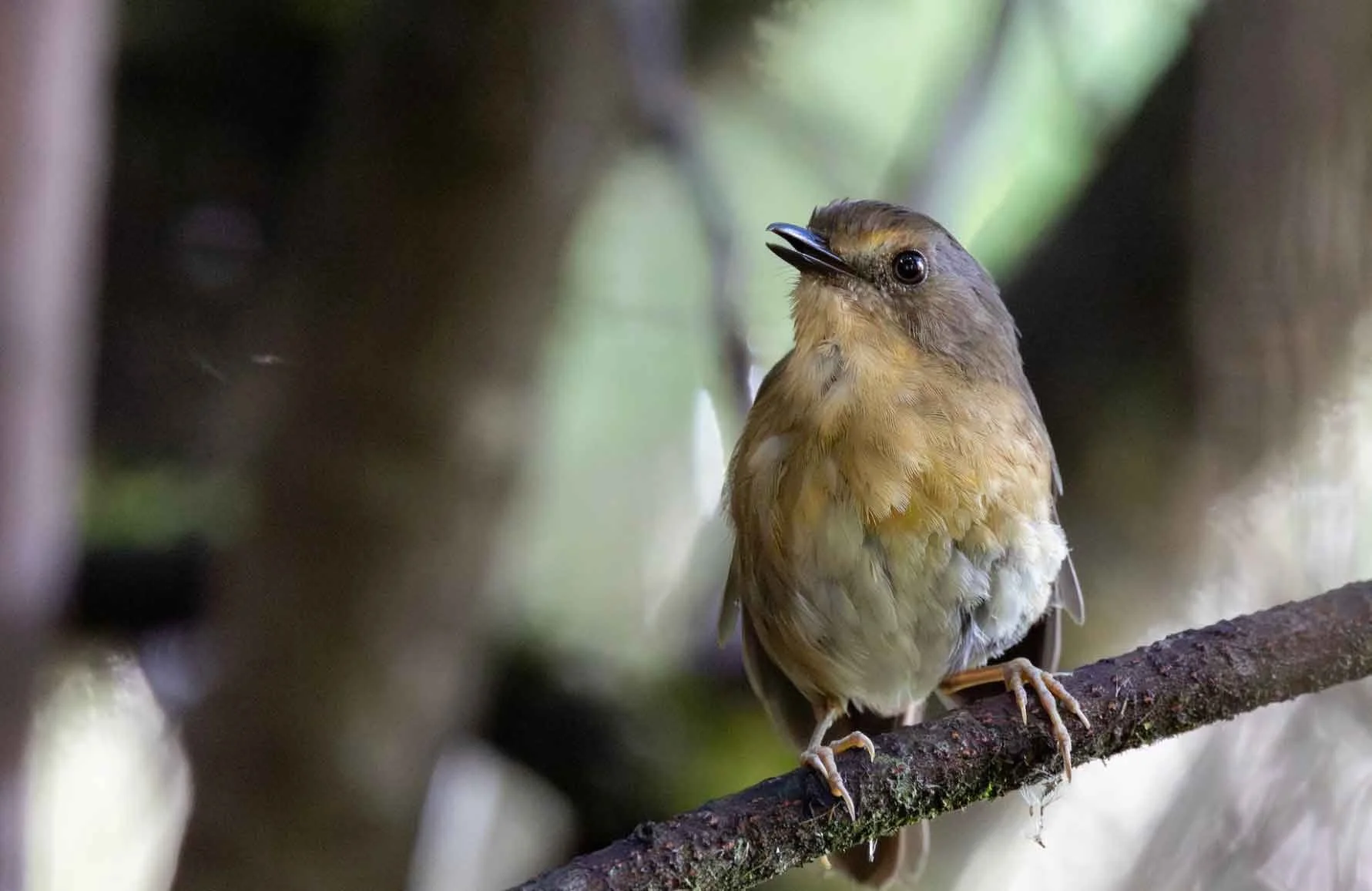
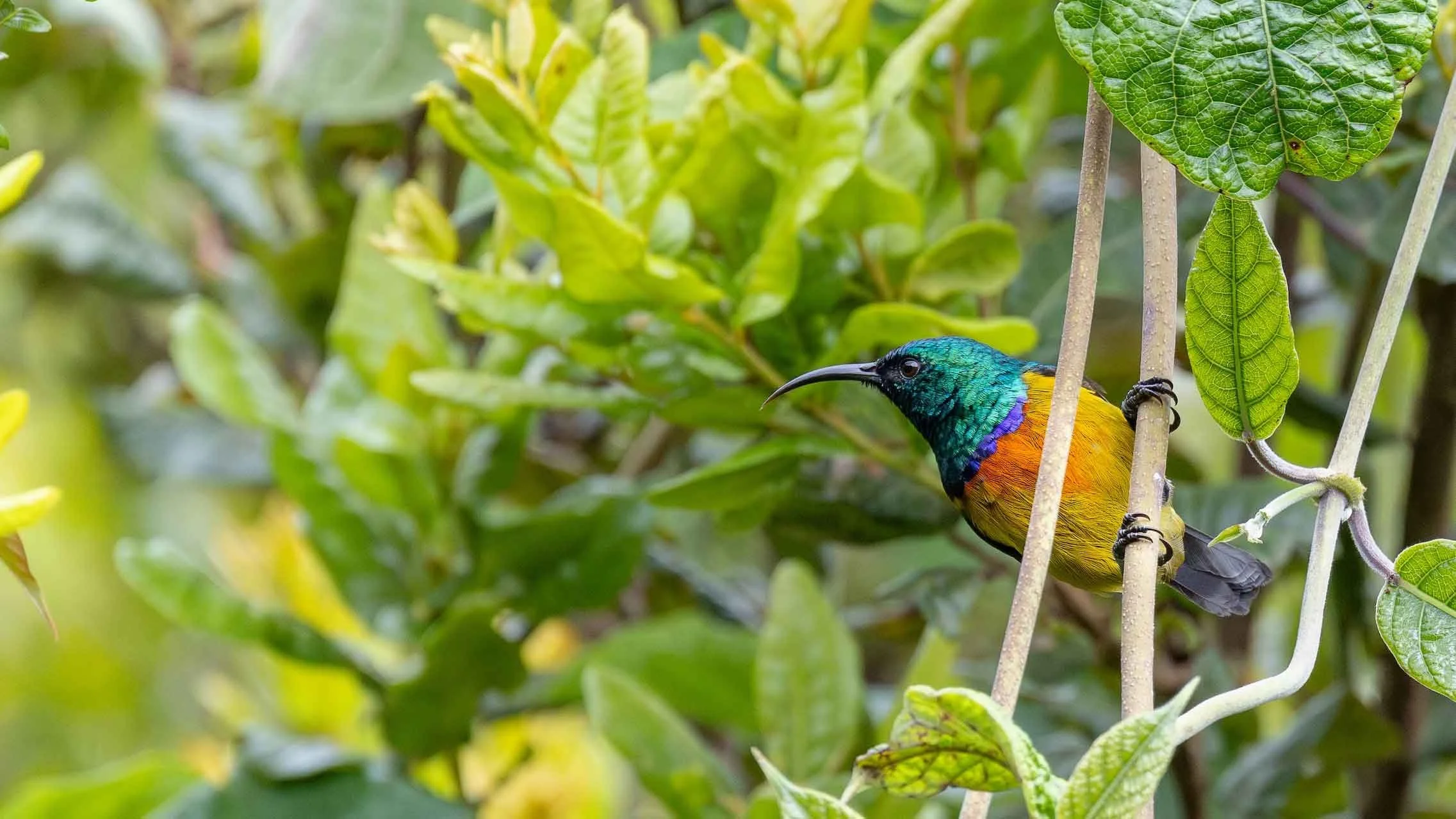
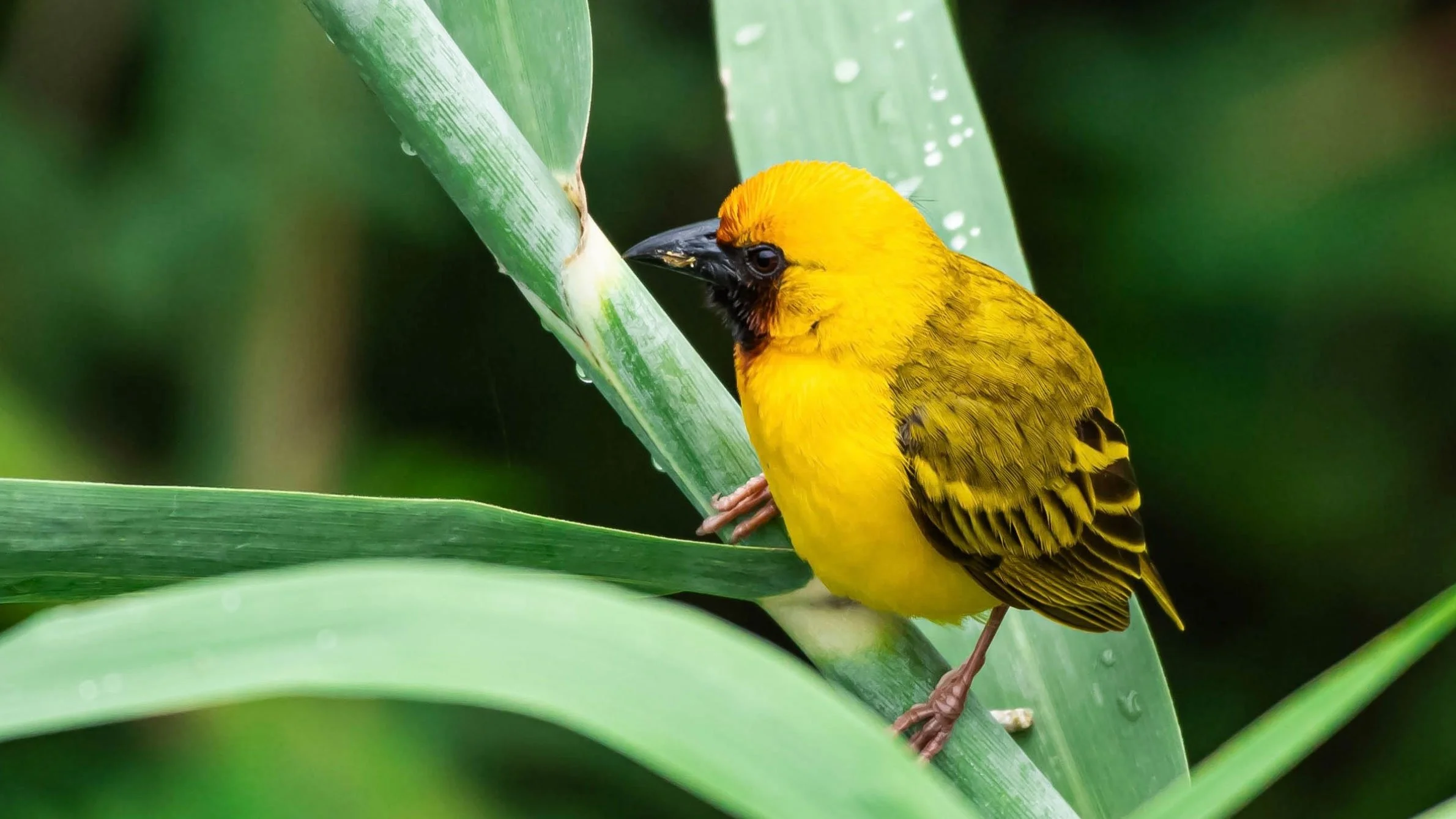
Bird species: Banded Green Sunbird, Uluguru Bushshrike, South Pare White-eye, Kilombero Cisticola, White-tailed Cisticola, Usambara Thrush, Loveridge's Sunbird, Yellow-throated Mountain Greenbul, Ruvu Weaver, Kilombero Weaver, Winifred's Warbler, Tanzanian Illadopsis, Udzungwa Forest Partridge, Kipengere Seedeater, Amani Sunbird, Ashy Starling, Bertram's Weaver, Tanzanian Red-billed Hornbill, Southern Fiscal (Uhehe), Olive-flanked Robin-chat, Fülleborn's Boubou, Long-billed Tailorbird, Rubeho Akalat, and many more.
Habitats: Montane forest, Lakes, Wetlands, Savannah, Semi-arid Scrubland, and Miombo Woodland.
Itinerary
-
You will arrive at Kilimanjaro International Airport (JRO), where you will meet our team and be taken to your accommodation in the Arusha area to recuperate and prepare for the Tanzania birding adventure ahead.
If you arrive on the morning flight (optional), we will visit Engikaret to search for Beesley’s Lark and many other dry-country birds found there.
-
We will depart from Arusha after breakfast and drive to Same town. As we travel through the arid Maasai zone with its characteristic Acacia scrublands, we’ll search for regional specialties such as the Southern Grosbeak-Canary, Acacia Tit, Black-throated Barbet, Golden-breasted Starling, Fischer's Starling, Black-bellied Sunbird, Tsavo Sunbird, Pink-breasted Lark, and Somali Bunting. In the late afternoon, we will head to the South Pare Mountains in search of the South Pare White-eye. Overnight stay in Same, Kilimanjaro.
-
We will spend the morning birding near the Mkomazi area before heading to West Usambara. Later in the afternoon, we will go to Magamba Forest in the West Usambara Mountains for the birding session. Overnight at Mullers Mountains Lodge.
-
Full-day birding. We will explore the lush Magamba nature forest reserve in the West Usambara Mountains, looking for endemics such as the Usambara Double-collared Sunbird, Usambara Akalat, Usambara Weaver, Usambara Thrush, Red-capped Forest Warbler, Black-headed Mountain Greenbul, Montane Tiny Greenbul, Spot-Throat, and others. Overnight at Mullers Mountain Lodge.
-
Morning birding in Magamba followed by transfer to Amani Forest Nature Reserve in the East Usambara Mountains. We’ll make stops along the way to search for Coastal Cisticola and other birds of interest. Depending on the arrival time, we will either bird in the Amani Botanical Garden or explore the Zigi Forest this afternoon. We will be staying in Amani Rest House or Zigi Rest House for the next 3 nights.
-
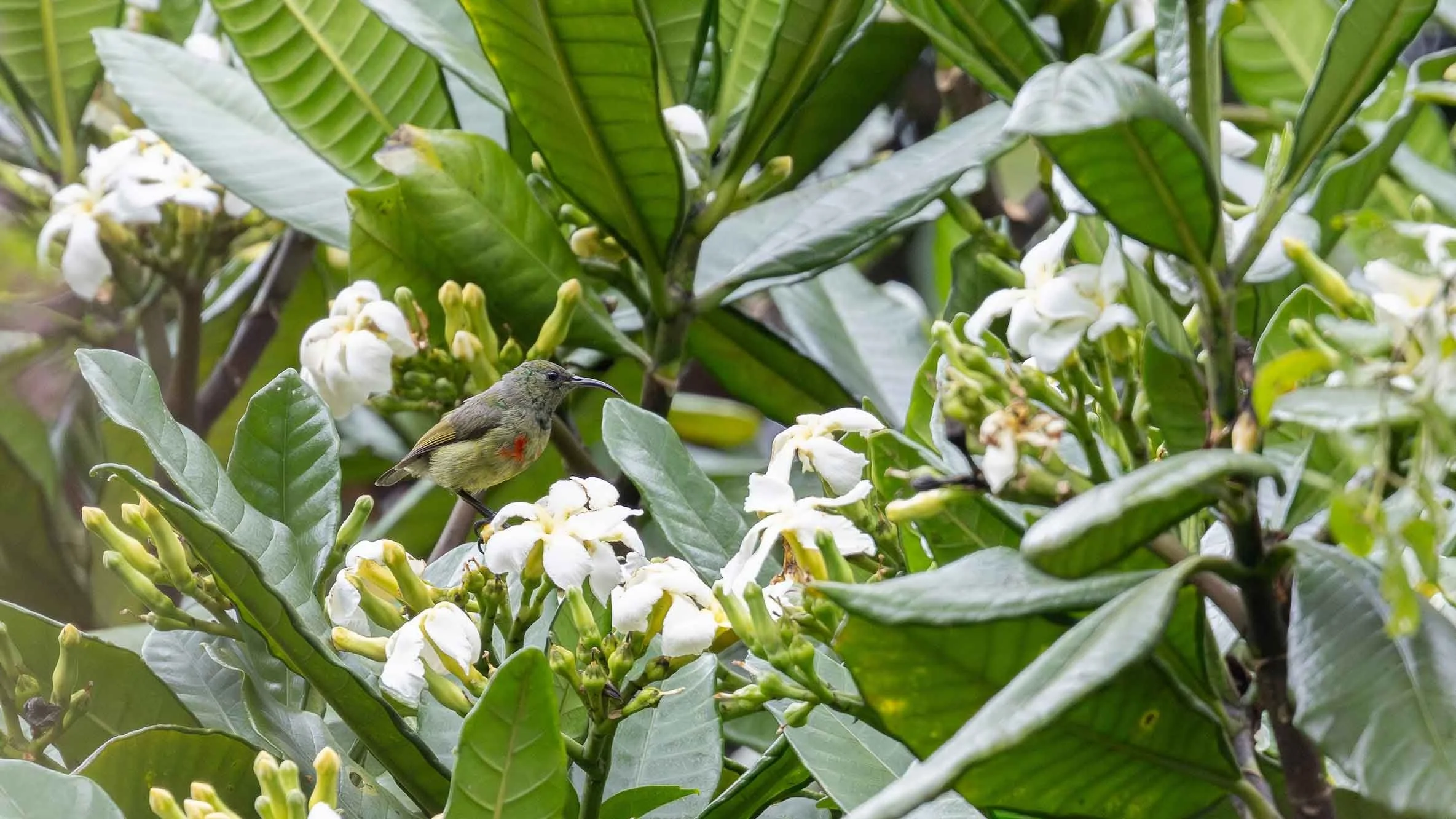
Over the next two days, We will explore the Amani Forest nature reserve in the botanical, Zigi, and Kwamkoro areas, searching for some of the region's most elusive species. This includes the Banded Green Sunbird, Tanzanian Illadopsis, Usambara Hyliota, Amani Sunbird, Long-billed Tailorbird, Fischer’s Turaco, Green-headed Oriole, Mombasa Woodpecker, Kretschmer's Longbill, Sharpes Akalat, Uluguru Violet-backed Sunbird, Plain-backed Sunbird, and a host of others.
-
After breakfast, we will depart for Morogoro. This will be one of the longest drives of our tour, approximately 310 km (192 miles), offering a wonderful opportunity to experience a different side of Tanzania. The journey will take about 8 to 11 hours, including a few stops along the way to search for special species such as Böhm’s Bee-eater and the Ruvu Weaver.
-
On this day, we will head to the Bunduki section as part of Mt. Uluguru to search for the endemics Winifred's Warbler, Loveridge's Sunbird, Uluguru Mountain Greenbul, Bertram's Weaver and other specialties. Overnight in Morogoro town.
-
On this day we will visit the Tegetero section to search for the endemic Uluguru Bushshrike and others. Overnight camping.
-
On this day we will descend Uluguru and travel towards the Mamiwa-Kisara Forest Reserve in the Ukaguru Mountains, with opportunities to search for Rubeho Akalat and Mrs. Moreau's Warbler Rubeho race, and other Eastern Arc endemics. Overnight in Gairo town.
-
On this day, we will travel to Kilombero Floodplain, one of Africa's largest wetlands, spanning approximately 6,300 square kilometers (2,430 square miles), with a length of about 260 km (161 miles) and a width of up to 52 km (32 miles) at its widest point. Our primary focus will be on spotting the Kilombero Weaver, Kilombero Cisticola, and White-tailed Cisticola. In the late afternoon, if times allow, we will bird around the Mang’ula area, where we will search for the Lesser Seedcracker and Pel's Fishing-Owl. Overnight in Sanje.
-
Travel to Iringa, with birding stops along the way. Overnight in Iringa town.
-
We will leave very early and head for the northern part of the Udzungwa Scarp Forest Reserve, birding en route as we make our way to Uluti. Our main targets will be the skulking Dapple-throat, Iringa Akalat, endemic Rufous-winged Sunbird, and Swynnerton’s Robin. We’ll be camping the next two nights.
-
Travel to Iringa, with birding stops along the way. Overnight in Iringa town.
-
On this day we will drive to Udekwa village, the gateway to the Kilombero Forest Reserve in the West Udzungwa Mountains. From the village, we will finalize logistics with the help of porters and walk to the forest ranger station to start our hike in the forest. We'll head to our campsite, with possibilities for bird watching along the way.
-
2 full days of birding in the Kilombero Forest Reserve in the Udzungwa Mountains, exploring its montane forest, open scrub, and grassy clearings on foot. Our main targets will be the Udzungwa Forest Partridge and Kipengere Seedeater, two of the region’s key birding specialties. As we hike through the different habitats, we will also look for Black-lored Cisticola and other woodland and forest birds.
During our time in the forest, we will also search for species that are missed out at previous sites, which are also found here, like Moreau’s Sunbird, Spot-throat, Yellow-throated Mountain Greenbul, and others. Our birding will be flexible, allowing time to explore promising trails and revisit areas where activity is excellent.
-
We will do a morning birding session before returning for breakfast. Afterwards, we will pack up, descend, and travel to Mikumi town for check-in and a relaxed evening.
-
Today we will enter the miombo woodland along the Kilosa road just north of Mikumi National Park. We’ll bird the road slowly, stopping often to scan the woodland, roadside vegetation, and mixed-species flocks. Target species may include Shelley’s Sunbird (Hofmann’s), Arnot’s Chat, Pale-billed Hornbill, Racket-tailed Roller, Speckle-throated Woodpecker, Neddiky, Miombo Blue-eared Starling, Annnot Chat, and others.
Later in the day we will drive into Mikumi National Park for a game drive, combining our birding experience with a chance to see Tanzania’s iconic wildlife. We will return to our accommodation after a full day of birding and wildlife viewing.
-
After breakfast on the last day of the tour we start the return journey to Dar es Salaam. Drop off at Dar es Salaam Airport (DAR) or at your accommodation if you are extending your trip with a Pemba tour. That will be the end of our awesome birding tour experience in the Tanzania Eastern Arc Mountains. We will take this moment to say goodbye and close our adventure.
Tour Details
Pace
Normal
Group size
Max 6 pax
Photography opportunity
Medium
Fitness
Medium/High: This tour requires a good level of fitness, as most birding will be done on foot and may involve walking for several hours at a time. Some trails can be slippery, especially after rain. Many of the birding sites are in remote areas and may be far from medical facilities. If you have any physical limitations or medical conditions, please contact us to discuss the suitability of this tour for you.
Practical Information
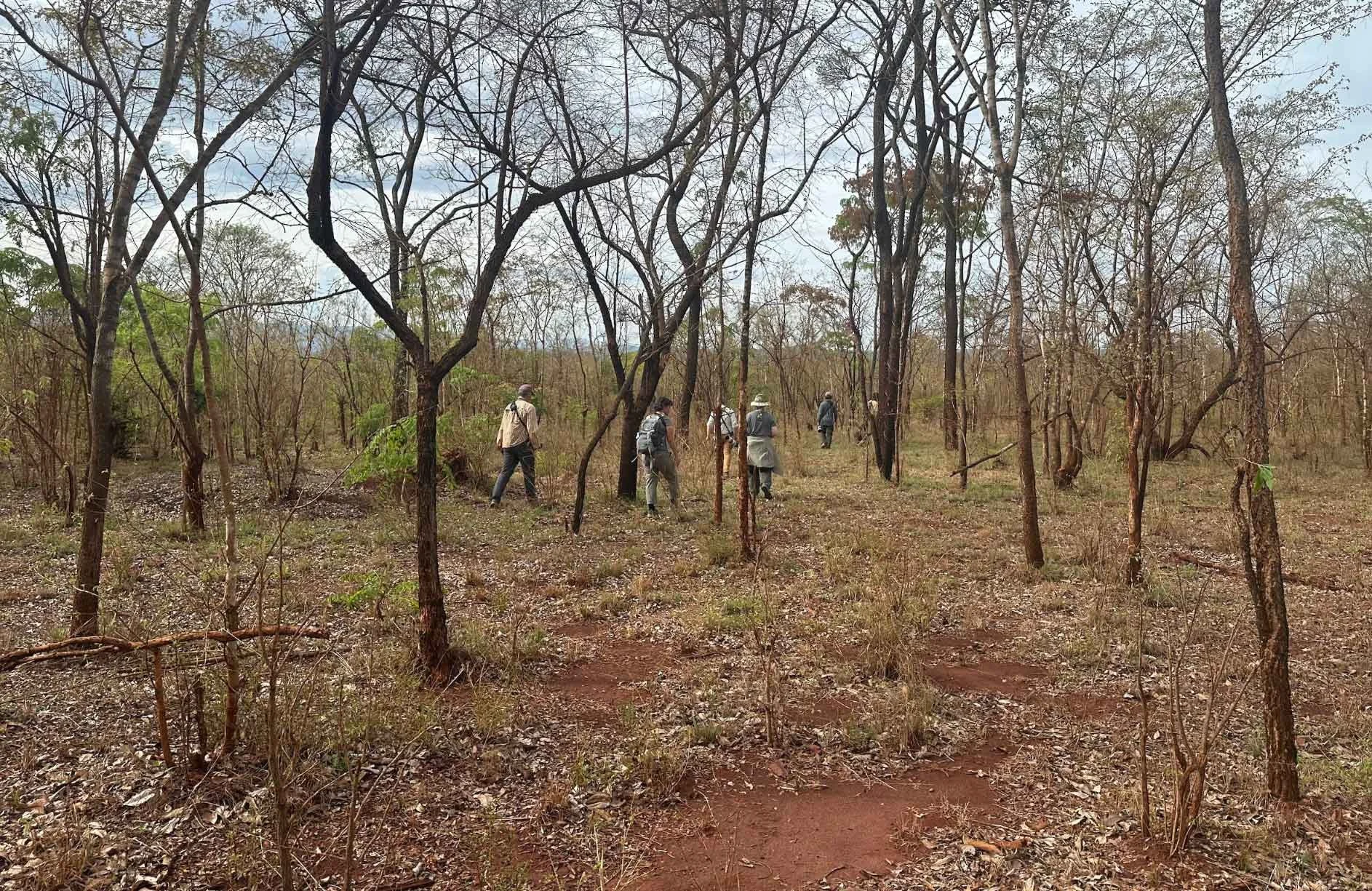
This tour involves long drives, early and late birding sessions, and walking several miles, often on uneven terrain and up and downhill, especially in the Uluguru and Udzungwa.
Some roads in Morogoro and Iringa are in poor condition, so expect extremely bumpy rides on those days.
Accommodations are generally comfortable, but in some areas, we will stay in very basic local hotels with private rooms and bathrooms. These are the only accommodations available within less than a half-day's drive from our hotspots in that region. While there will be electricity and running water, be prepared for rustic conditions.
We will spend one night in Tegetero, two nights in Uluti, and three nights camping in Udekwa, consisting of ground-level mattresses in tents. Tegetero and Uluti can also be visited as a day trip (optional), but this option will not allow us to observe nocturnal species in the forest, require us to depart from our hotel around 4 am, and limit our experience in searching for target species.