


Tanzania Endemics



Tour Overview
From Arusha, Serengeti National Park, to the Eastern Arc Mountains. Join us on a 30-day adventure to explore Tanzania's diverse ecosystems and discover a wide range of avian species. 40.5% of its land is protected areas, which include national parks, game reserves, a conservation area, forest reserves, marine parks and reserves, game reserves, and game open areas, home to 33 endemics. This tour takes you to some of the country's most popular and remote destinations, where you'll seek and observe a remarkable array of the region's rare species.
We have designed this tour to cover Tanzania's endemic and regional specialties along the way at a medium pace. In most locations, we will spend 2 to 4 nights, giving us flexibility for extra birding time, recuperation after strenuous walks, and travel days. The itinerary is best suited to dedicated birders and keen listers.
Highlights
Eastern Arc Mountains, historical landmarks, Tanzania national parks, nature forest reserves, and local towns, landscapes, history, and culture.
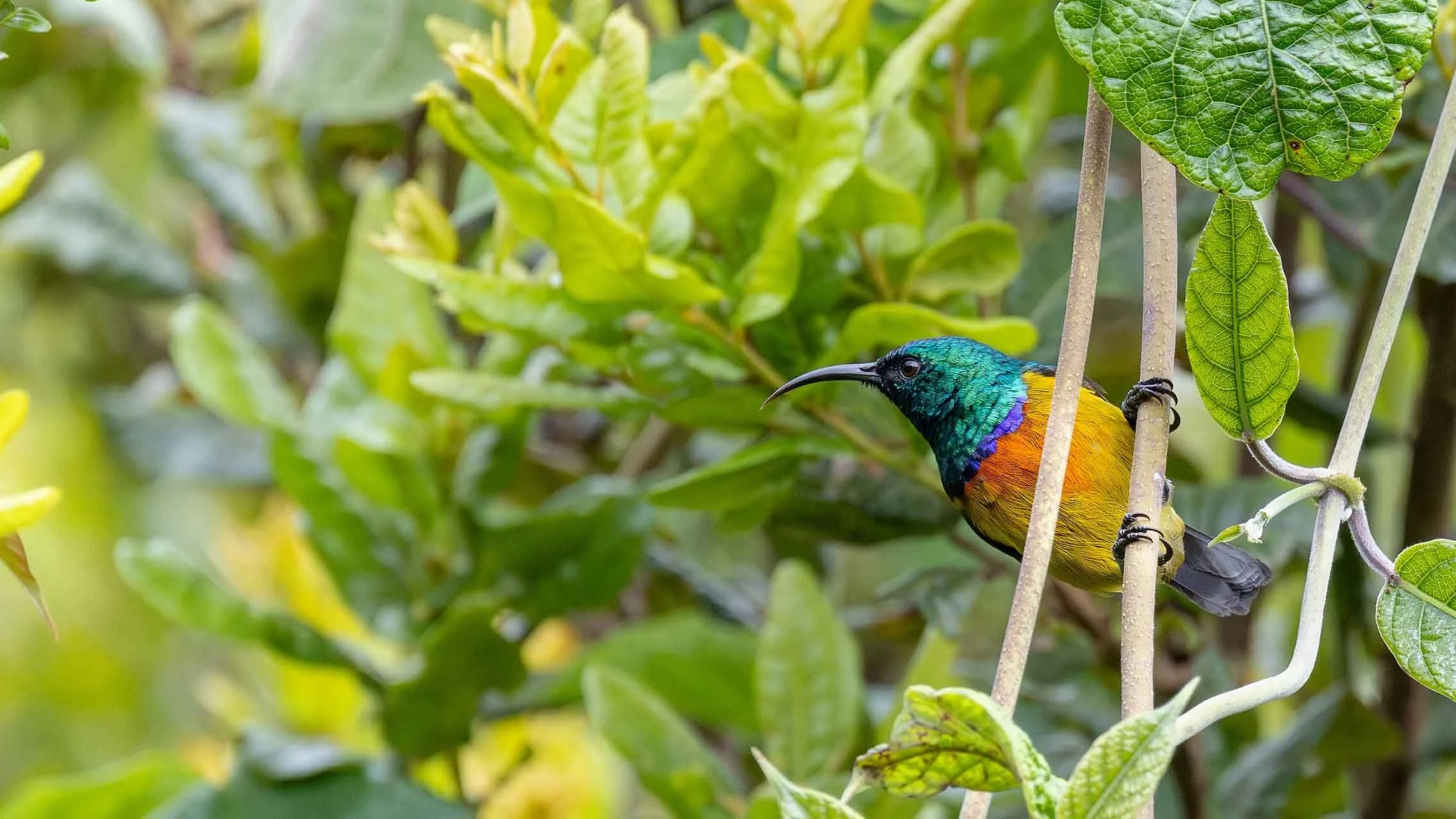
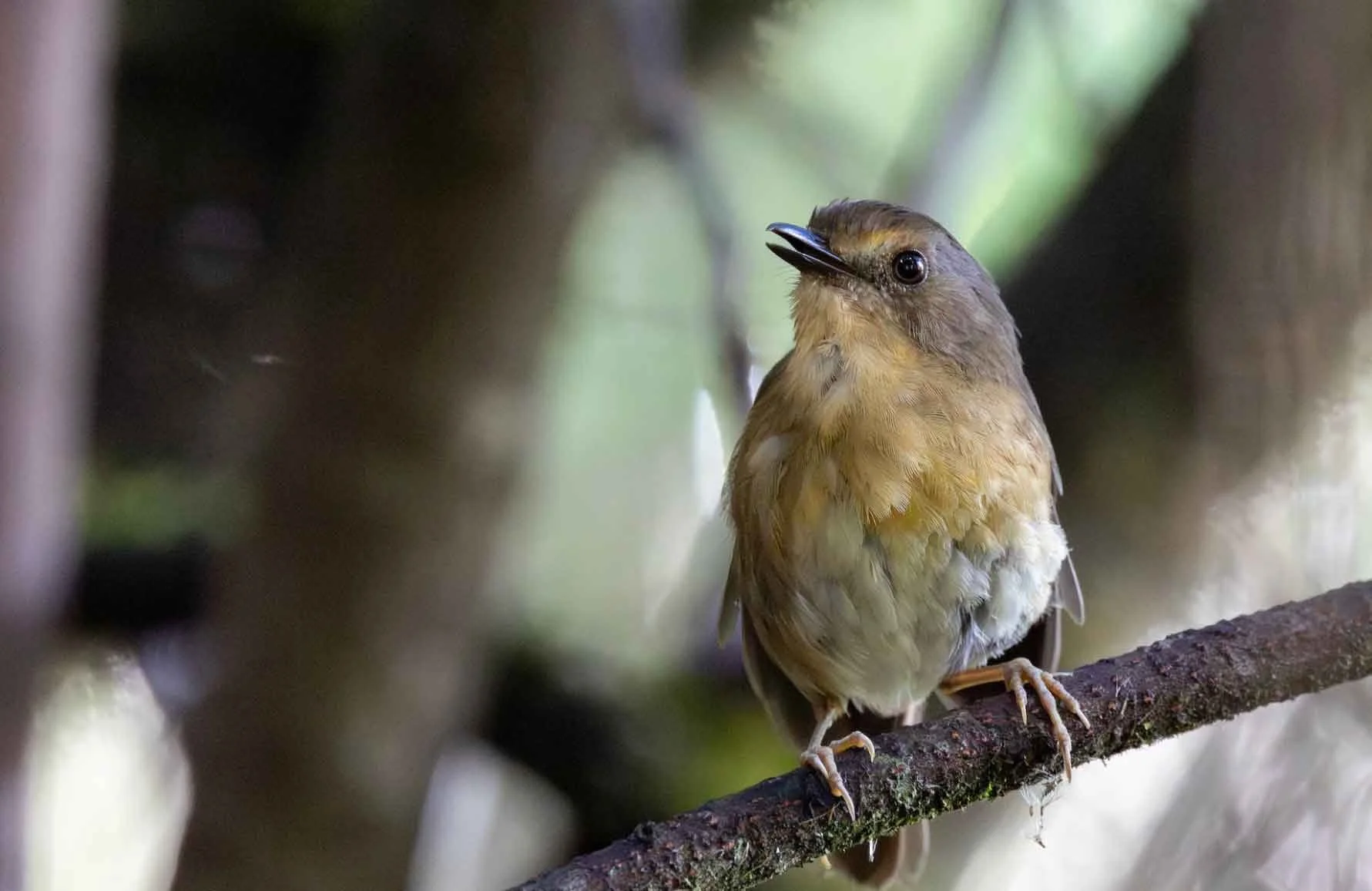
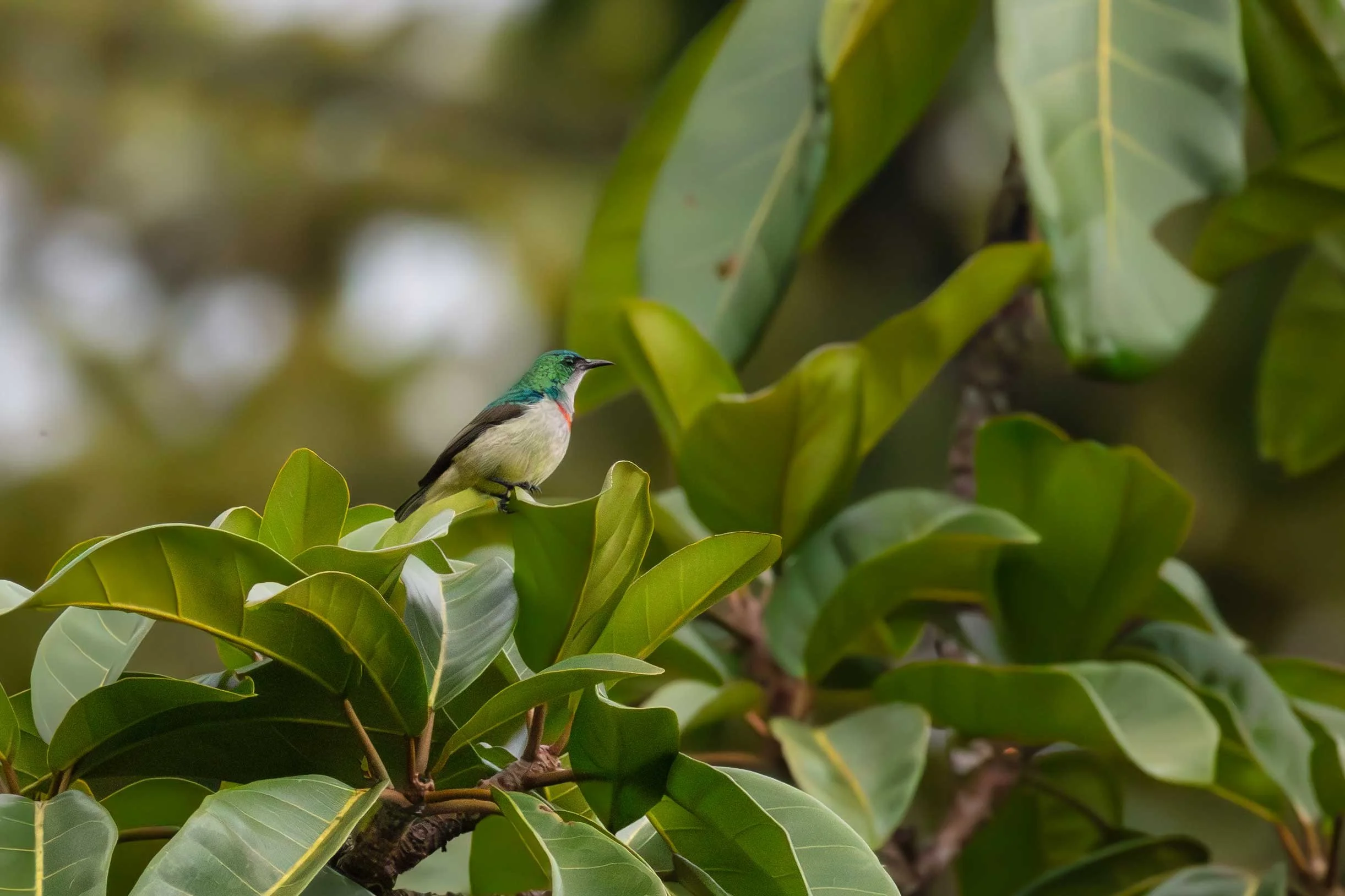
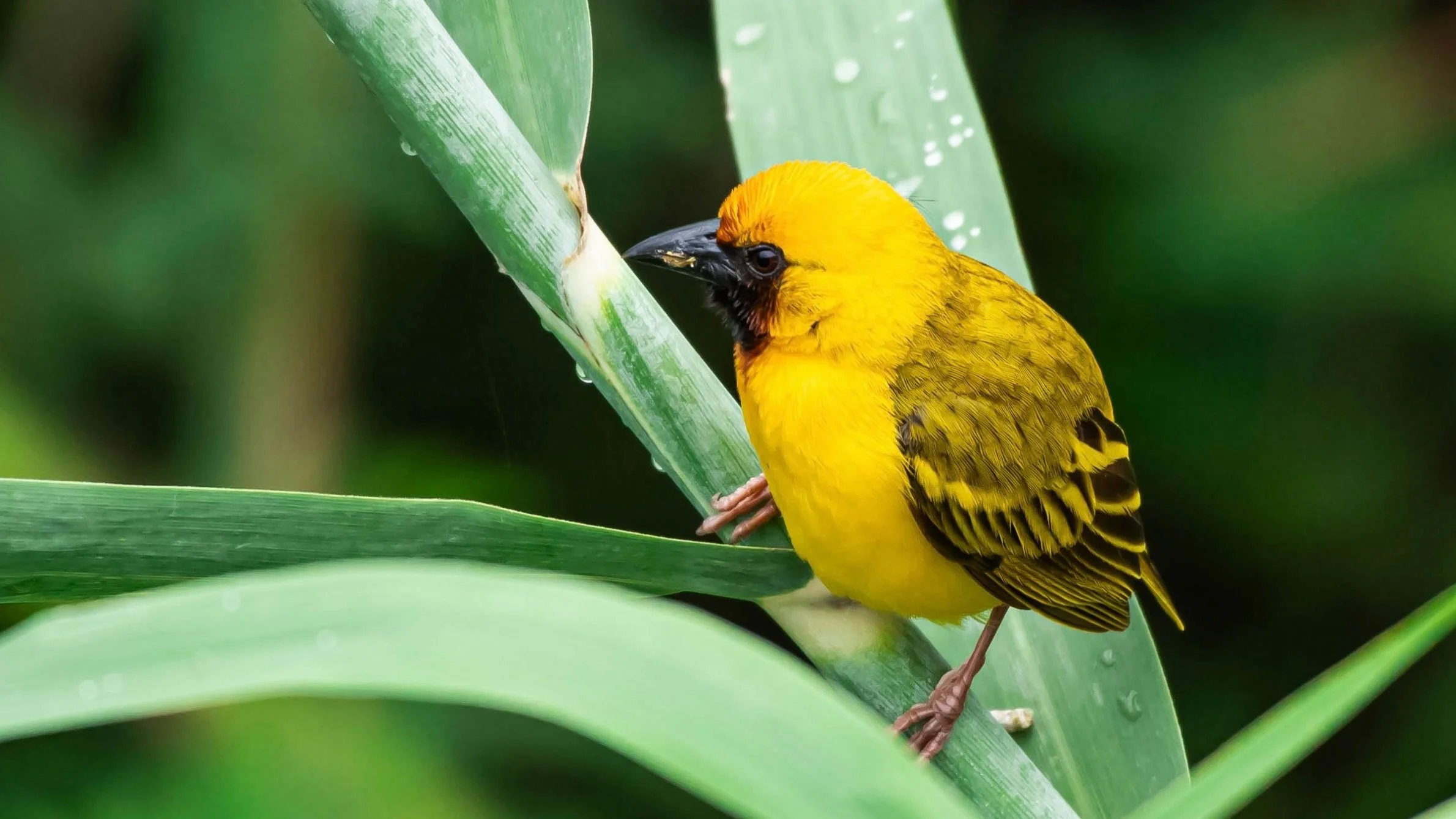
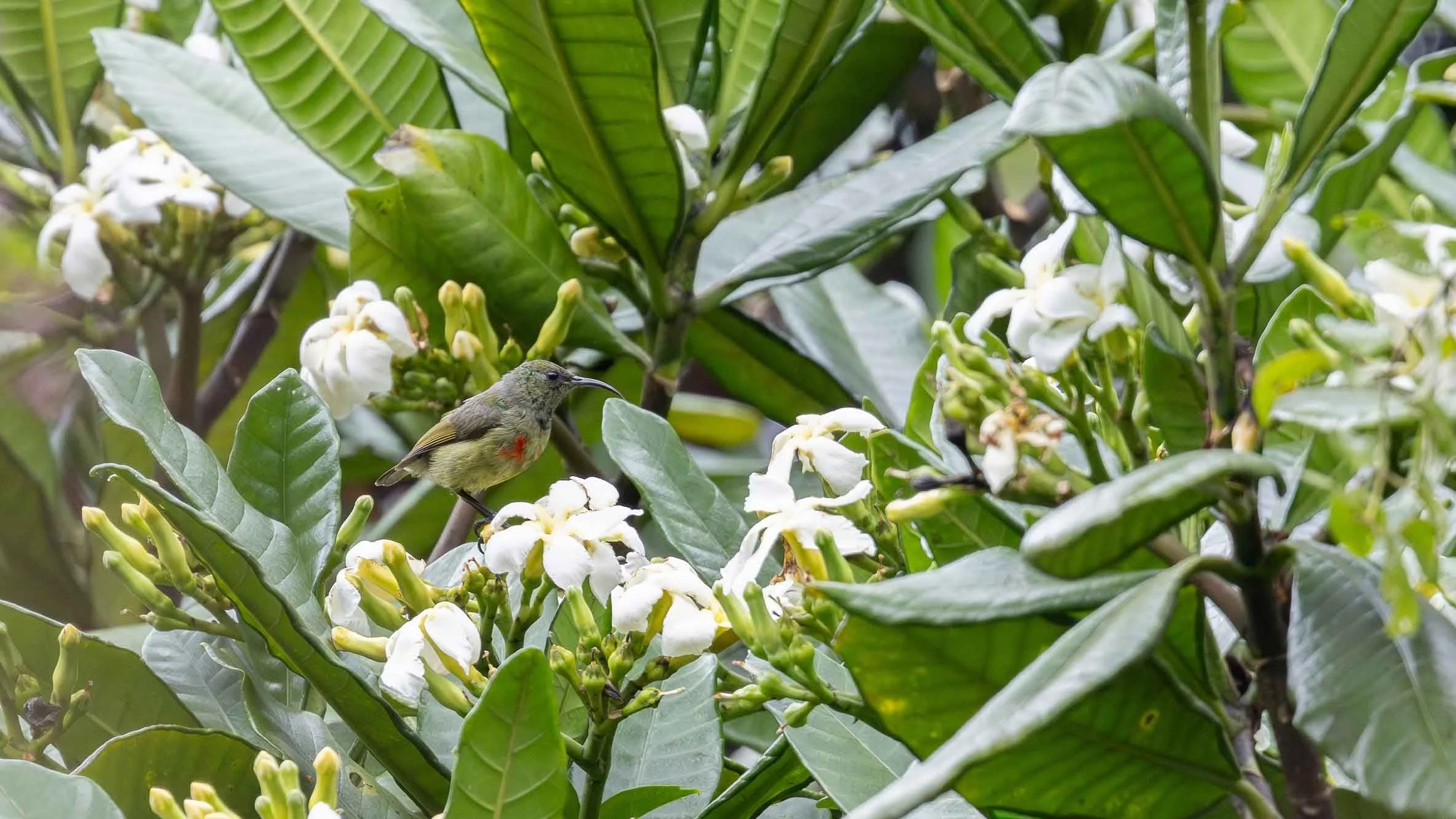
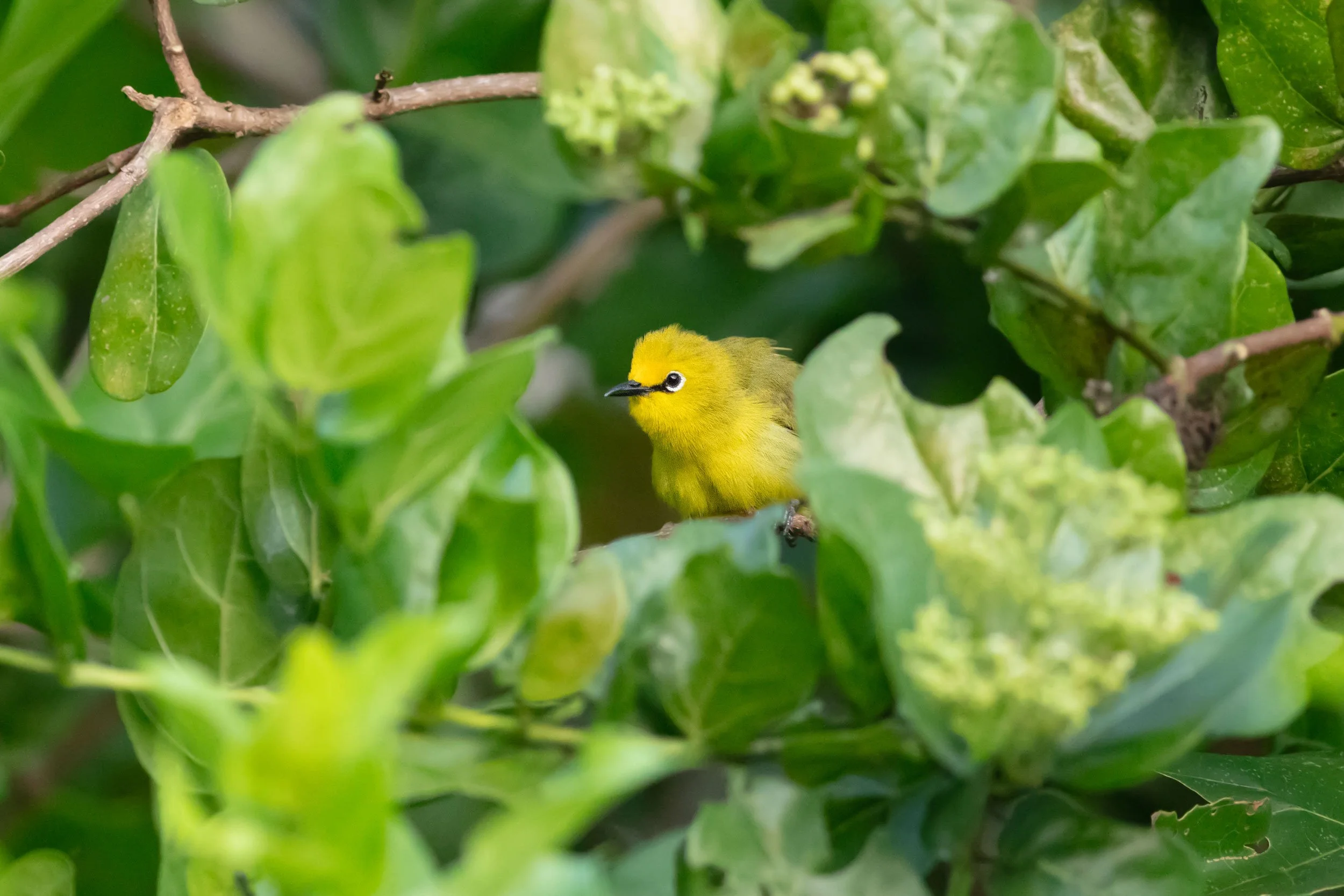
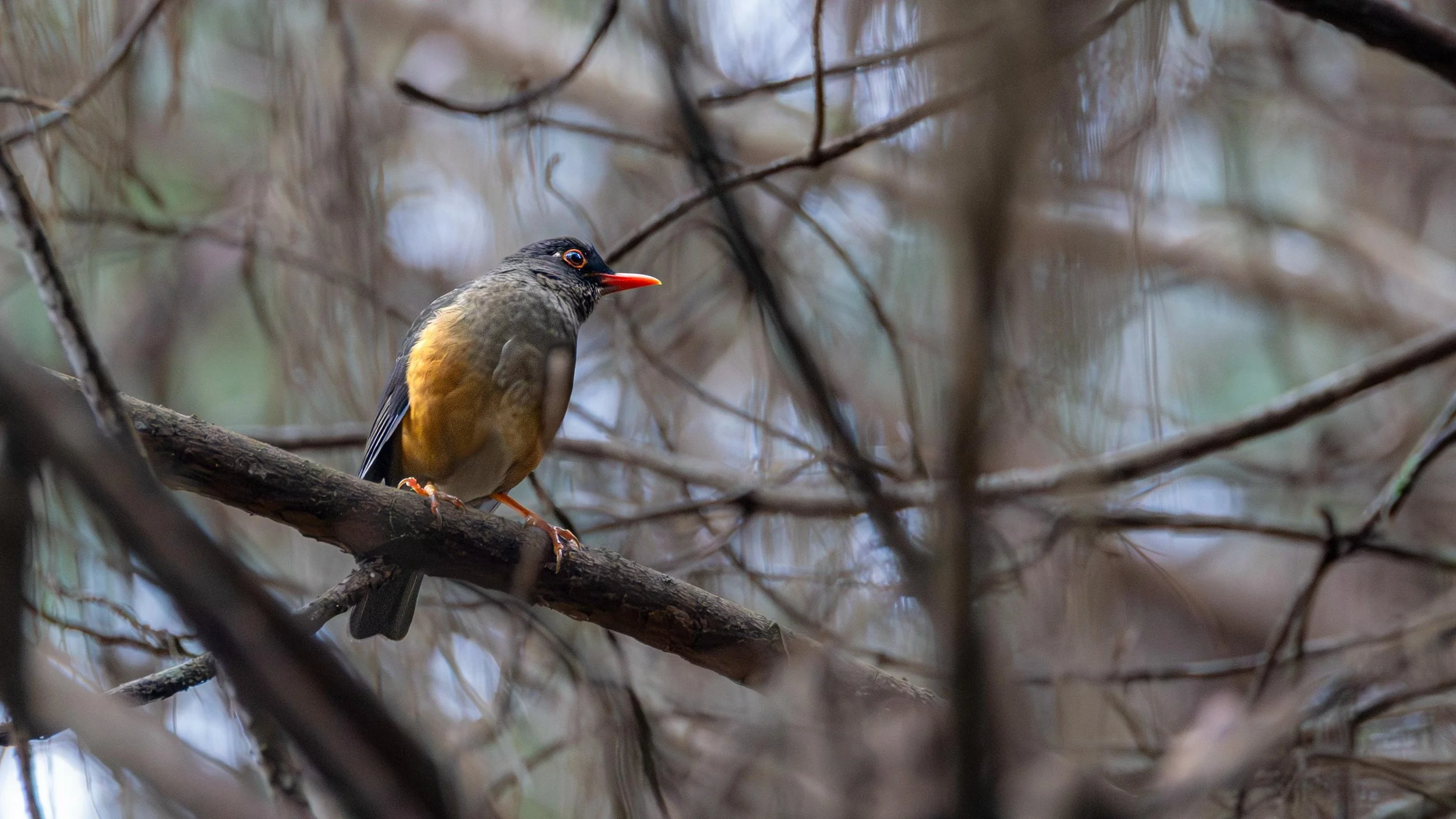
Bird species: South Pare White-eye, Beesley's Lark, Ashy Starling, Tanzanian Red-billed Hornbill, Grey-breasted Spurfowl, Fischer's Lovebird, D'Arnaud's Barbet (Black-capped), Kilombero Cisticola, White-tailed Cisticola, Usambara Thrush, Iringa Akalat, Yellow-throated Mountain Greenbul, Ruvu Weaver, Kilombero Weaver, Mrs. Moreau's Warbler, Tanzanian Illadopsis, Uluguru Bushshrike, Udzungwa Forest-partridge, Kipengere Seedeater, Maasai Apalis, Eastern Double-collared Sunbird, Long-billed Tailorbird, Rufous-tailed Weaver, Churring Cisticola, Schalow's Turaco and many more.
Habitats: Montane forest, Lakes, Wetlands, Savannah, Semi-arid Scrubland, Miombo Woodland.
Mammals: Lion, Leopard, African bush elephant, Grant's zebra, Cheetah, Black rhinoceros, Cape buffalo, Maasai giraffe, Hippopotamus, Impala, etc.
Itinerary
-
You will arrive at Kilimanjaro International Airport (JRO), where you will meet our team and be taken to your accommodation in the Arusha area to recuperate and prepare for the adventure ahead.
-
We'll board a morning flight to Seronera (SEU), Serengeti National Park. Once we land, the first game drive begins. We're on the lookout for our first endemic species, such as the Grey-breasted Spurfowl, Tanzanian Red-billed Hornbill, Yellow-collared Lovebird, and Black-throated Barbet (flavibuccalis). We'll also be searching for the Maasai Apalis, a bird with a limited range that was officially recognized as distinct from the Karamoja Apalis in 2024, as well as other species. As we drive, we'll experience a quintessential African savanna game drive within this UNESCO World Heritage Site.
We'll stay overnight in Central Serengeti.
-
Full-day game drive and birding.
-
Leaving the Serengeti behind, we head toward the Ngorongoro Crater. There's a decent chance of spotting the elusive and critically endangered Eastern Black Rhino; a small, well-guarded population calls the crater floor home. Thanks to rigorous anti-poaching efforts and the crater's isolated environment, these rhinos are seen with some regularity in this UNESCO World Heritage Site.
We'll also be on the lookout for a range of interesting bird species around the crater. Expect to see Jackson’s Widowbird, Sentinel Lark, Anteater Chat, Moorland Chat, Schalow’s Turaco, Hildebrandt’s Spurfowl, and more.Later in the day, we'll make our way to Karatu town for the night.
-
We'll be heading to Tarangire National Park, renowned for its massive elephant populations and those instantly recognizable baobab trees scattered across the landscape. Our game drive will be all about spotting specific bird species: the Ashy Starling, D'Arnaud's Barbet (Black-capped), Northern Pied Babbler, and Hildebrandt’s Starling, alongside any others we might have missed up north. Tarangire's varied terrain – open savanna, acacia woodland, and seasonal riverbeds - makes it a prime spot for both birds and mammals in northern Tanzania. The dry season, in particular, is when the wildlife really gathers along the Tarangire River.
Overnight in Karatu. -
After breakfast, we will head to the open plains of Engikaret to search for the critically endangered Beesley’s Lark. Also, it is the home to many other dry-country birds, like Short-tailed, Foxy, Sentinel, and Somali Short-toed Lark (Athi) Larks, Taita Fiscal, and many more. This place offers its wide horizons and a Maasai pastoral backdrop.
Overnight in Arusha.
-
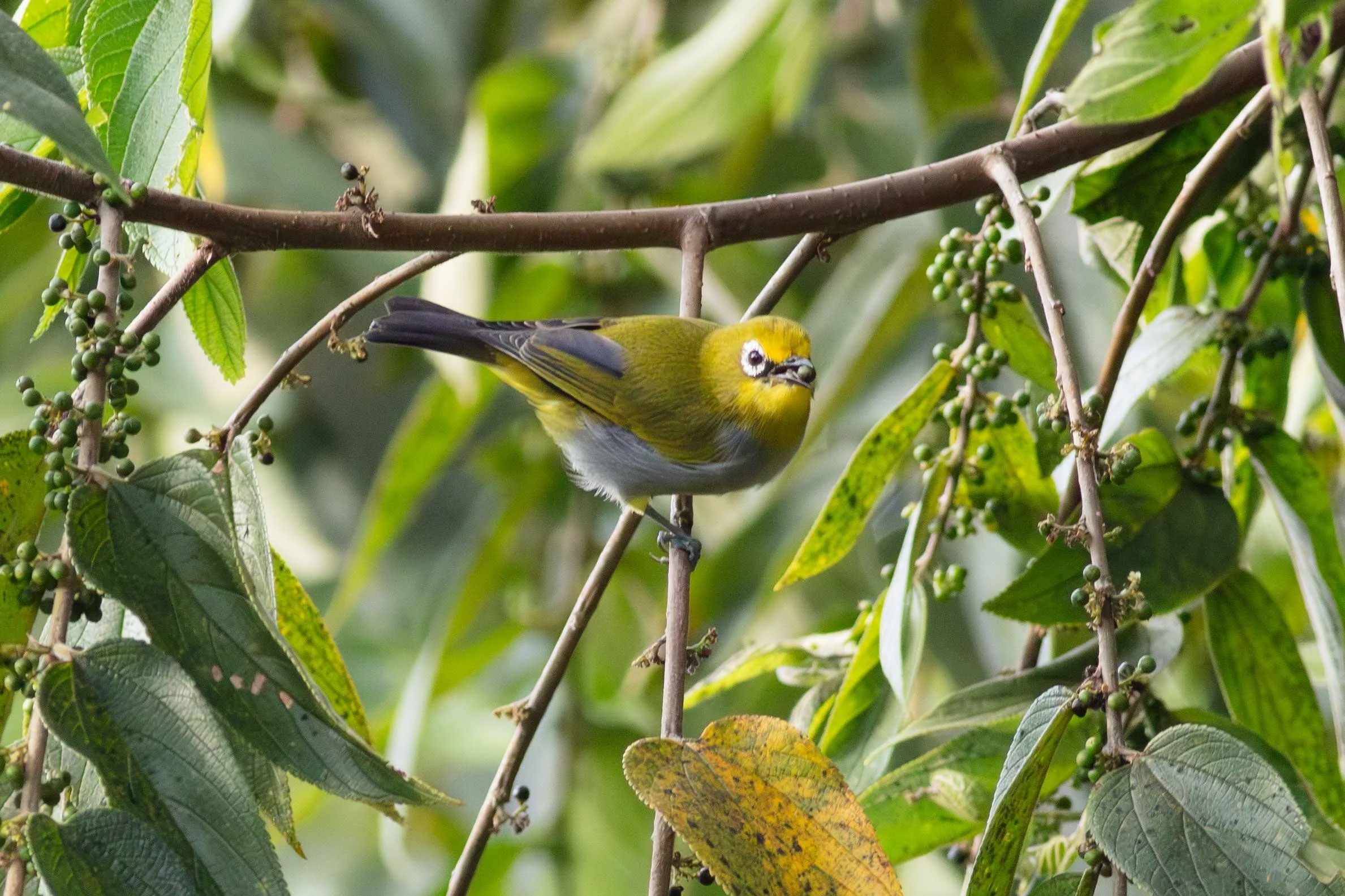
On this day, we're heading to Same to search for the South Pare White-eye, a bird found only in this area range.
Along the way, we will make a few stops in the Maasai Steppes for arid-zone bird specials, hoping to spot D'Arnaud's Barbet (black-capped), Pringle’s Puffback, Acacia Tit, Pink-breasted Lark, Scaly Chatterer, and other species that call this area home.
Overnight in Same.
-
Early in the morning, we will bird locally around the Mkomazi area, head back to the hotel for breakfast, and drive up to West Usambara for our next adventure for the rest of the day.
-
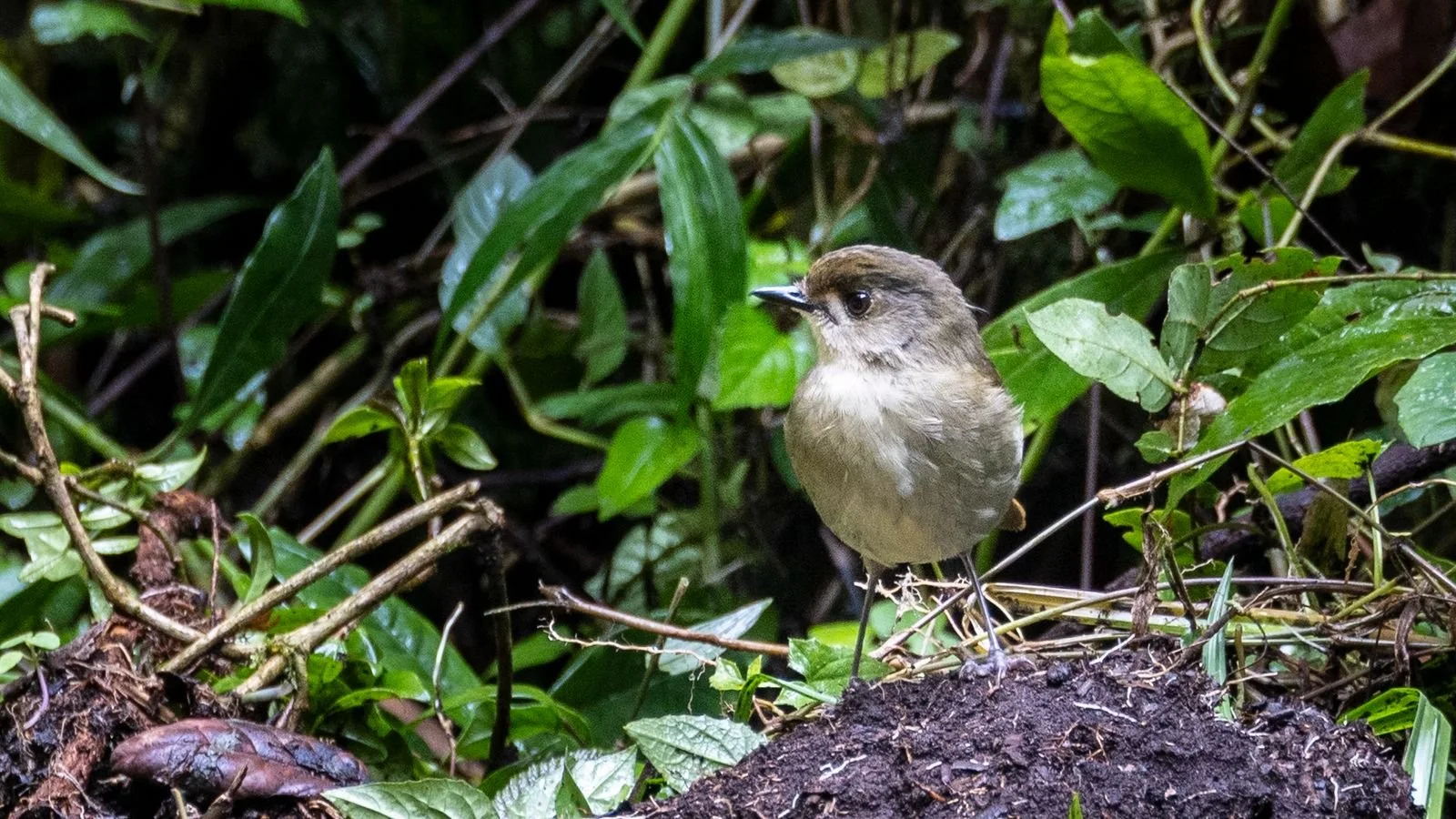
Full 2-day birding. We will explore the lush Magamba Nature Forest Reserve, looking for endemics such as the Usambara Akalat, Usambara Weaver, Usambara Thrush, Montane Tiny Greenbul, and other regional specialties like White-chested Alethe, Red-faced Crimsonwing, Dark Batis, Barred Long-tailed Cuckoo, and others.
-
Enjoy morning birding before transferring to the East Usambara Mountains. Spend the evening birding in the botanical garden. Overnight in Muheza.
-
We will spend the next two days looking for endemics like the Banded Green Sunbird, Usambara Hyliota, Tanzanian Illadopsis, and the local Usambara form of Fraser's Eagle-Owl. We will also look for some of the area's rarest birds, such as Fischer's Turaco, Green-headed Oriole, Coastal Cisticola, Mombasa Woodpecker, Spot-throat, Kretschmer's Longbill, Long-billed Forest Warbler, and many more.
-
Enjoy early morning birding before transferring to Morogoro for an overnight stay in Morogoro town.
-
We will explore the Tegetero section in the Uluguru Mountains, searching for the elusive Uluguru Bushshrike and Uluguru Violet-backed Sunbird.
-
We will explore the Bunduki section for Mrs. Moreau's warbler and the Uluguru Mountain Greenbul.
-
On this day, we will visit the Ukaguru Mountains early in the morning to search for the Rubeho Warbler and Rubeho Akalat. We will also look out for the Yellow-throated Mountain Greenbul and Moreau’s Sunbird
-
On this day, we will decide which of the previously visited sites (Days 14–16) to revisit to maximize our chances of seeing any species that may have been missed. If all target species have already been observed, the day will be taken as a rest and recovery day.
-
On this day, we will travel to the Kilombero Floodplain, one of Africa's largest wetlands, spanning approximately 6,300 square kilometers (2,430 square miles), with a length of about 260 km (161 miles) and a width of up to 52 km (32 miles) at its widest point. Our primary focus will be spotting the Kilombero Weaver, Kilombero Cisticola, and White-tailed Cisticola.
If time permits, we will look out for the elusive Lesser Seedcracker around the Udzungwa area. Overnight at Mang’ula. -
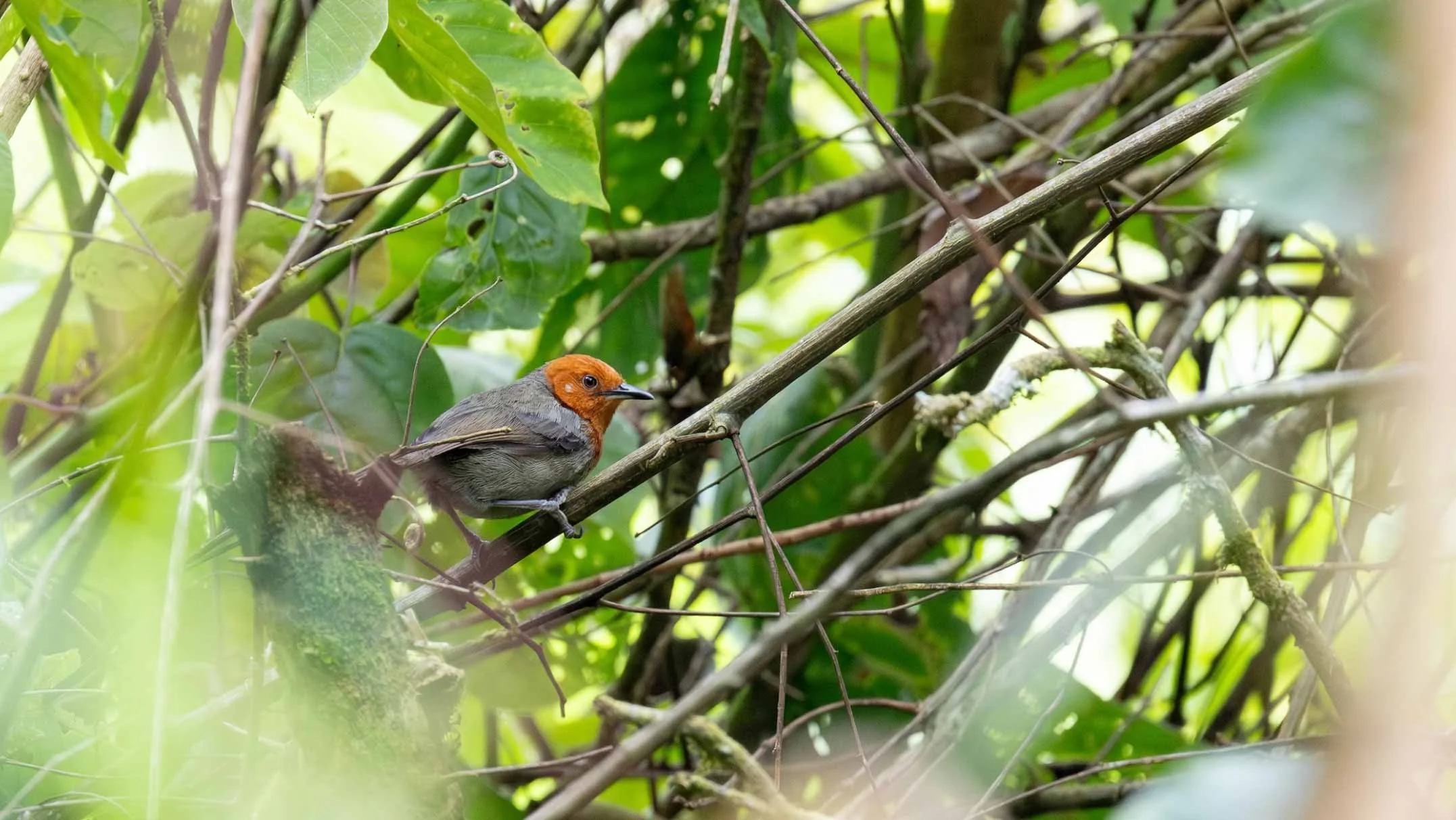
We will travel to Luala, where we will search for the Kipengere Seedeater and Udzungwa Forest Partridge. Also, we will look out for other species like the Olive-flanked Robin-Chat (Grotei), White-chested Alethe, Yellow-throated Mountain Greenbul, and Moreau’s Sunbird. We will camp overnight.
-
2 full-day birding. Camping overnight
-
-
We will depart very early as we head to the Udzungwa Scarp Forest Reserve – Uluti, birding en route. Our main targets will be 2 skuler residents: the Iringa Akalat and the Rufous-winged Sunbird. Overnight Camping.
-
Full day exploring Udzungwa Scarp Forest
-
Travel to Iringa town for a night's rest.
-
Travel back to Dar es Salaam and birding along the way.
-
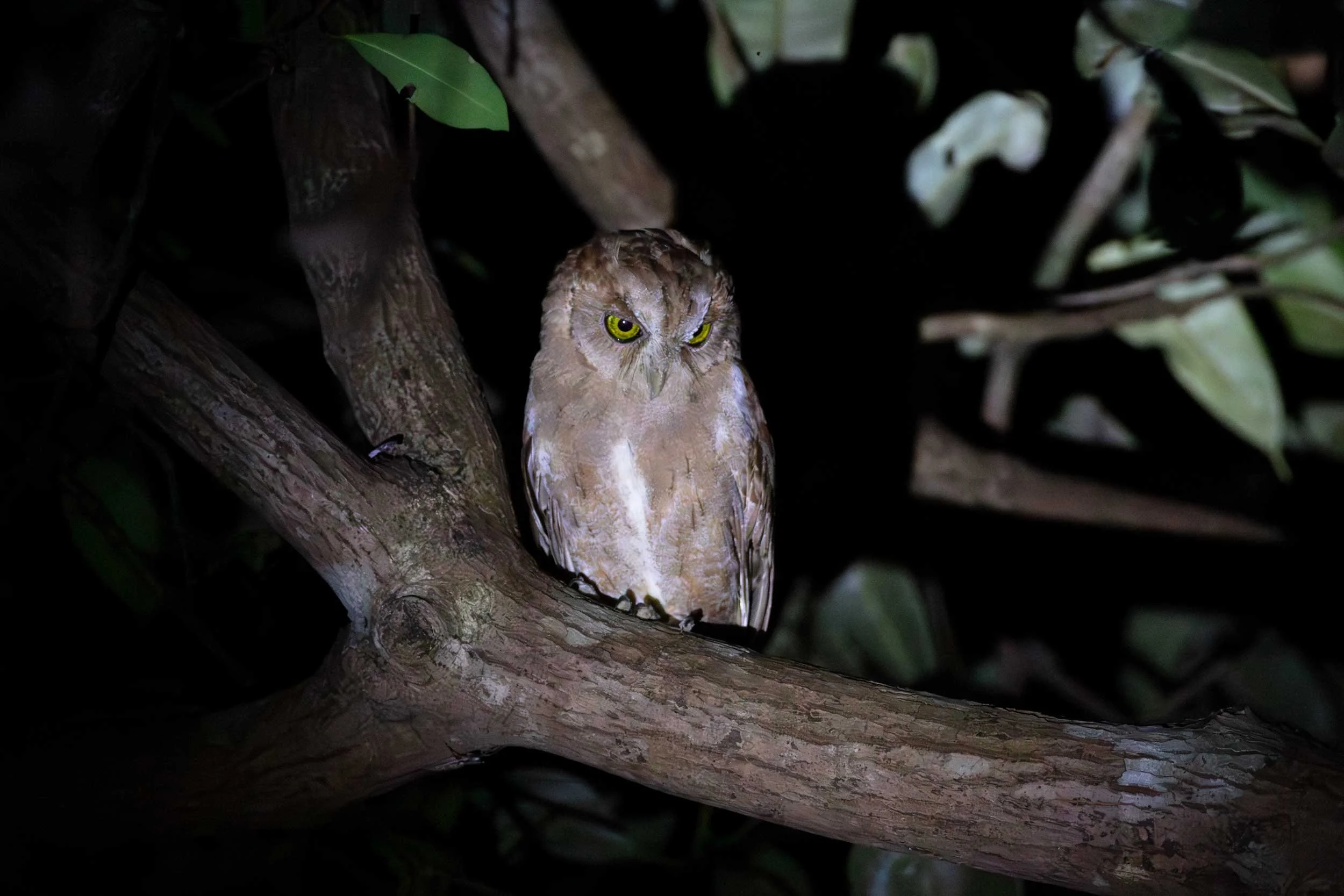
We will fly to Pemba Island and begin birding as soon as we land. We will look out for Pemba Sunbird, Pemba Pigeon, and Pemba White-eye. Later in the evening, we will explore Ngezi Forest, searching for the Pemba Scops Owl.
-
Full-day birding for any missed island species, or relax and enjoy the tropical surroundings.
-
We will conclude our journey as we fly back to Dar es Salaam (DAR) for home departure.
Tour Details
Group size
Max 6 pax
Pace
Medium
Photography opportunity
Good / Medium
Fitness
Medium / High: This tour requires a good level of fitness, as most birding will be done on foot and may involve walking for several hours at a time. Some trails can be slippery, especially after rain. Many of the birding sites are in remote areas and may be far from medical facilities. If you have any physical limitations or medical conditions, please contact us to discuss the suitability of this tour for you.
Practical Information
This tour involves long drives, early and late birding sessions, and walking several miles, often on uneven terrain and up and downhill, especially in the Usambaras, Ulugurus, Ukaguru, and Uluti.
On those days, expect extremely bumpy rides due to the poor condition of some roads in Morogoro and Iringa.
Accommodations are generally comfortable, but in some areas, we will stay in very basic local hotels with private rooms and potentially shared bathrooms. These are the only accommodations available within less than a half-day's drive from our hotspots in that region. While there will be electricity and running water, be prepared for rustic conditions.
We will spend up to five nights camping at Luala and Uluti, sleeping on ground-level mattresses in tents. If we successfully observe the target species earlier and all parties agree to return to Iringa, we may shorten the camping period.