

Eastern Arc Mountains Birding Tour in Tanzania

Tour Overview
For those who live and breathe birds, this trip is a dream. It brings you to some of Africa's most important and diverse ecosystems. You'll traverse the South Pare, Usambara, Uluguru, Udzungwa, Kilombero Valley, and Ukaguru Mountains. Each of these places is home to birds you won't find anywhere else, presenting a unique opportunity to spot a range of rare and critically endangered species. It's an experience that will stay with you, a true gift for birdwatchers and anyone who loves nature.
It's an experience that remains, a genuine reward for birders and nature seekers alike.
Highlights
Tanzania's Eastern Arc Mountains, historical landmarks, Tanzania's national parks, nature forest reserves, local towns and villages, landscapes, history, and culture.
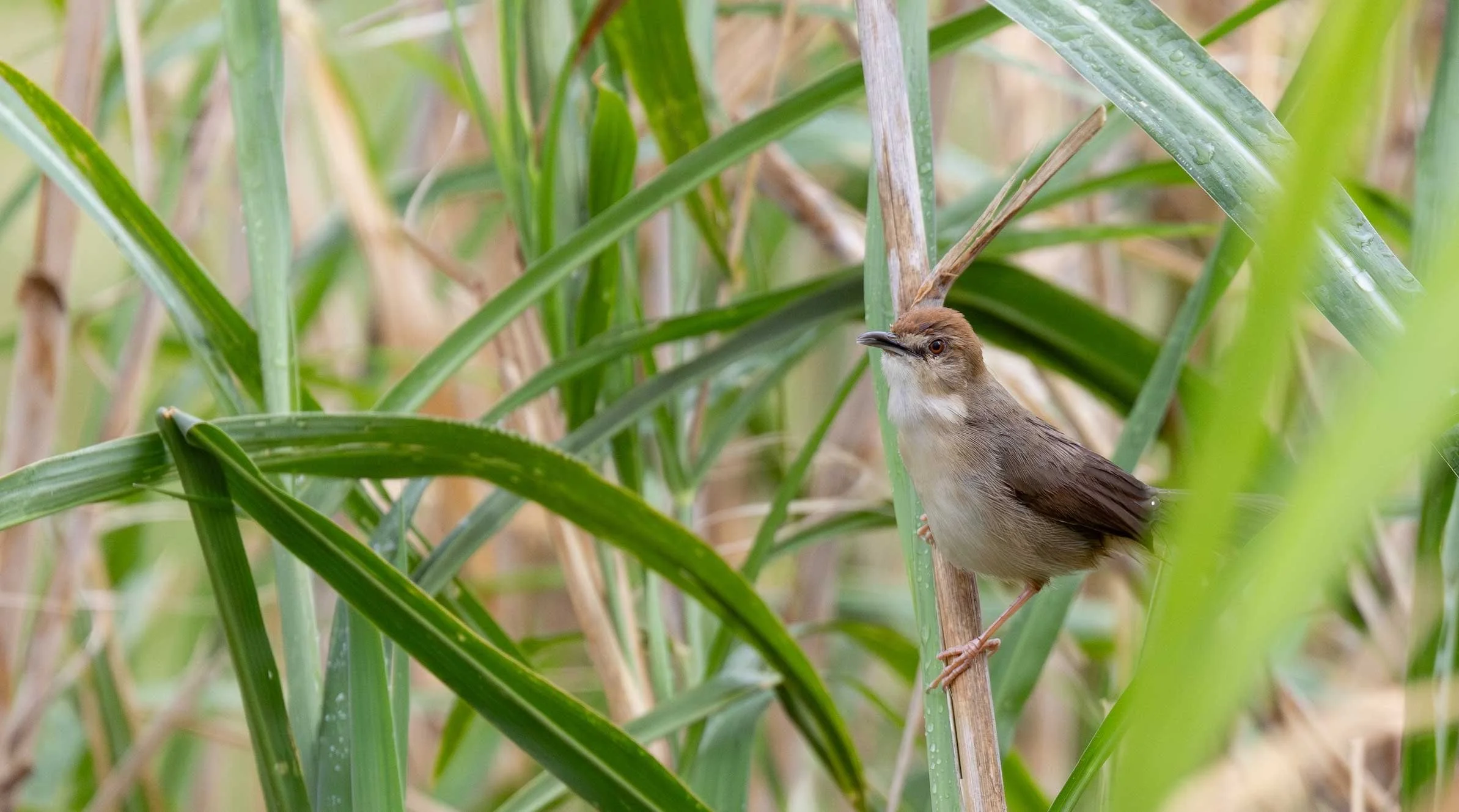
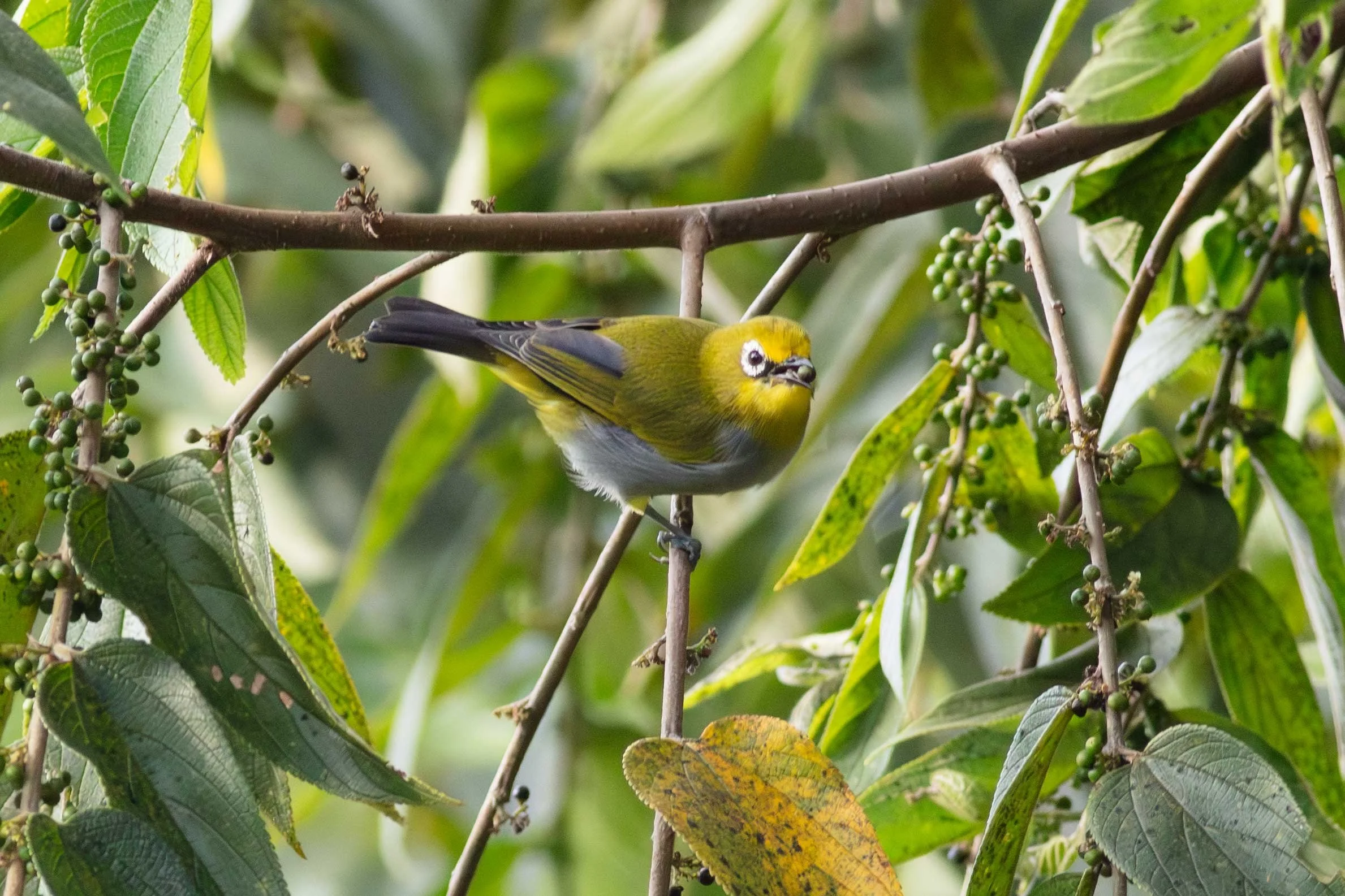
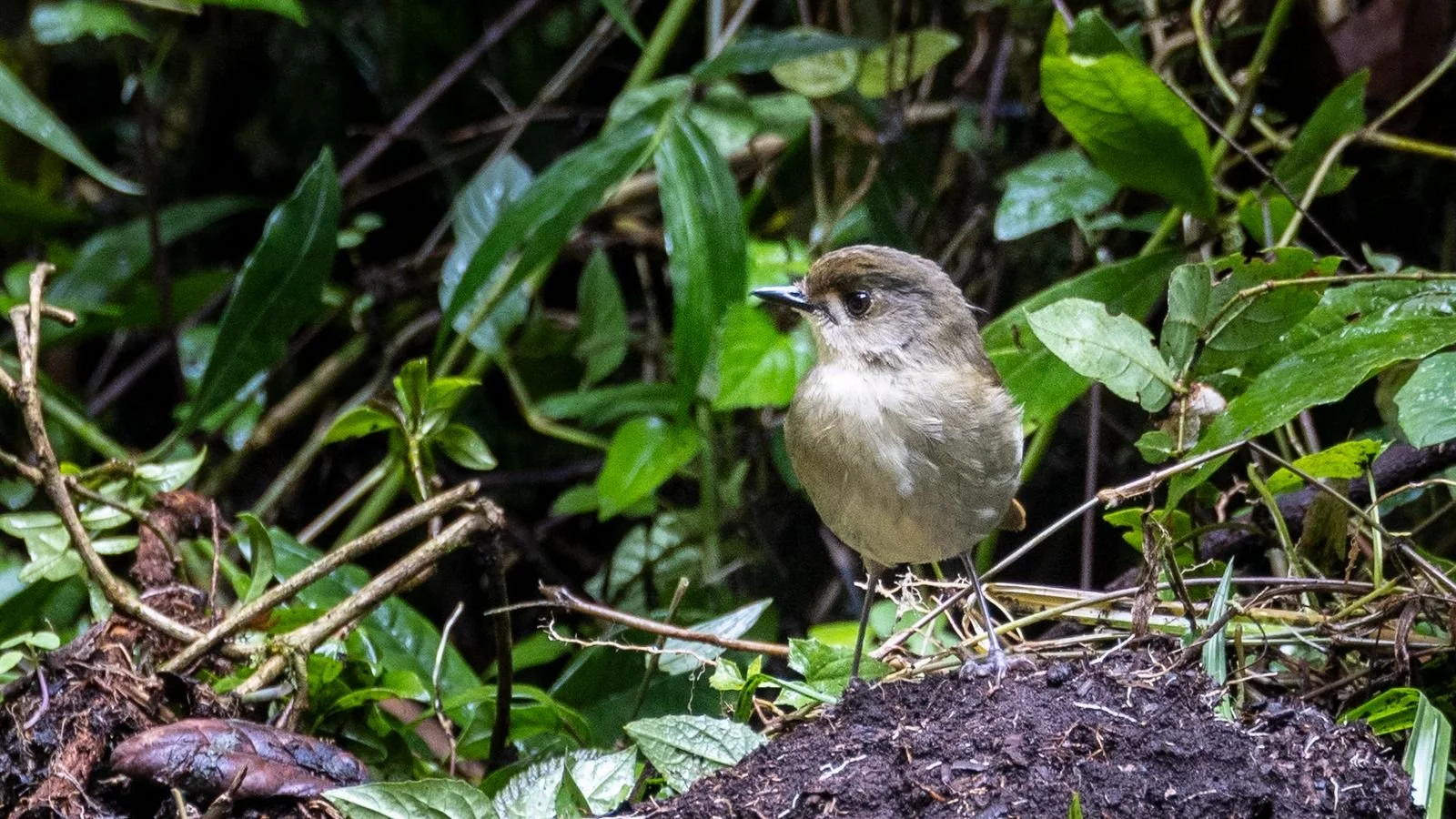
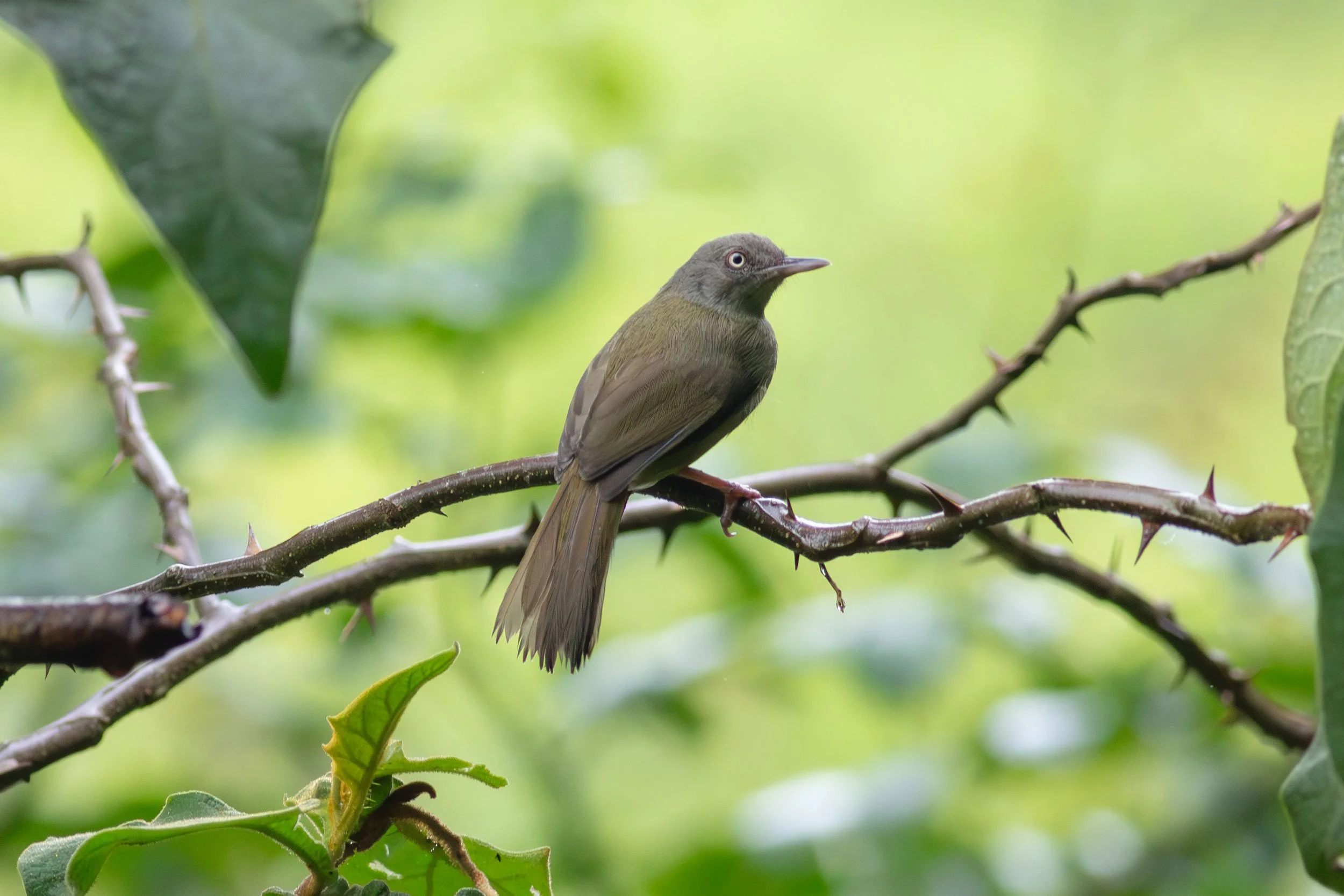
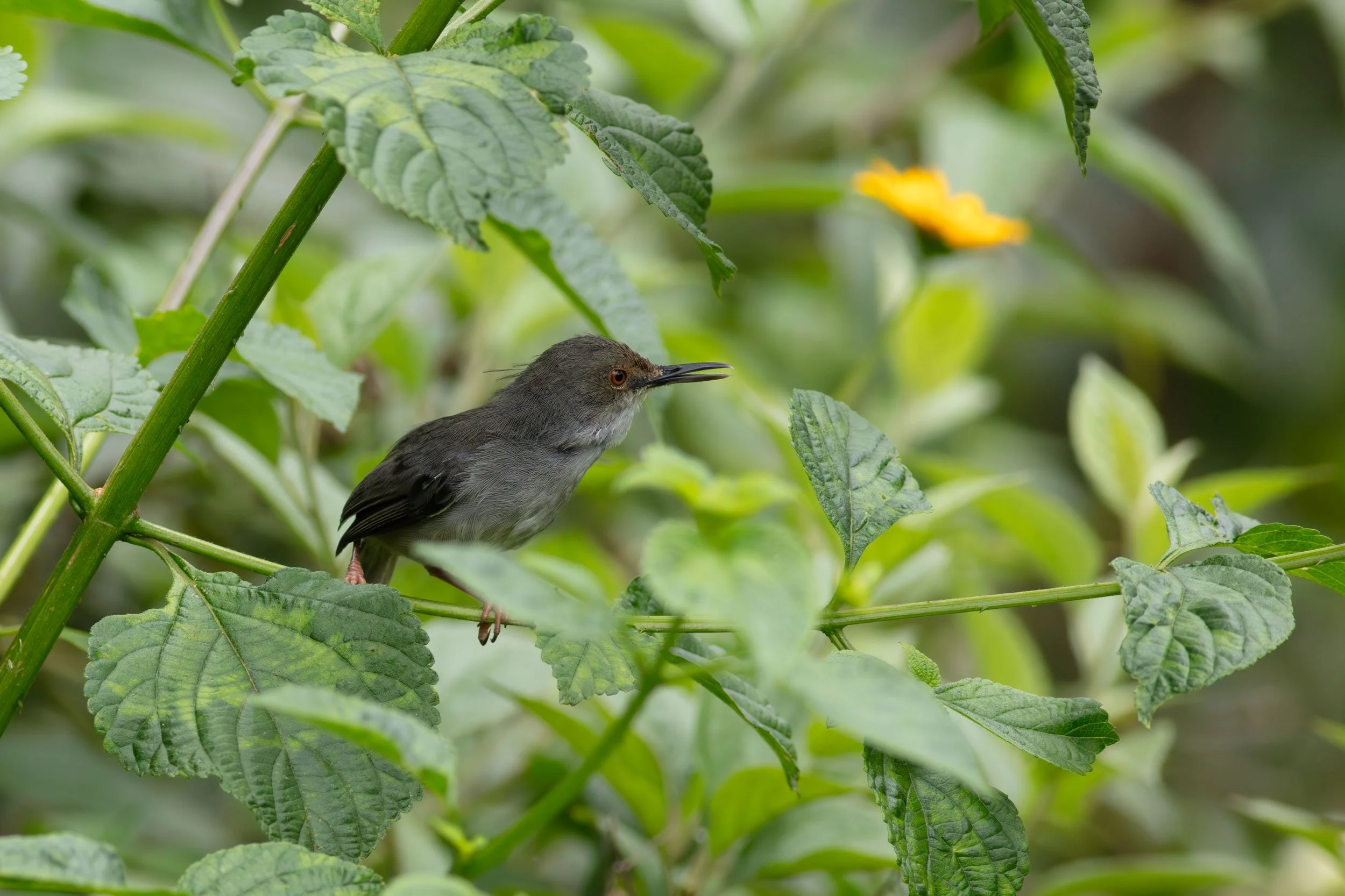
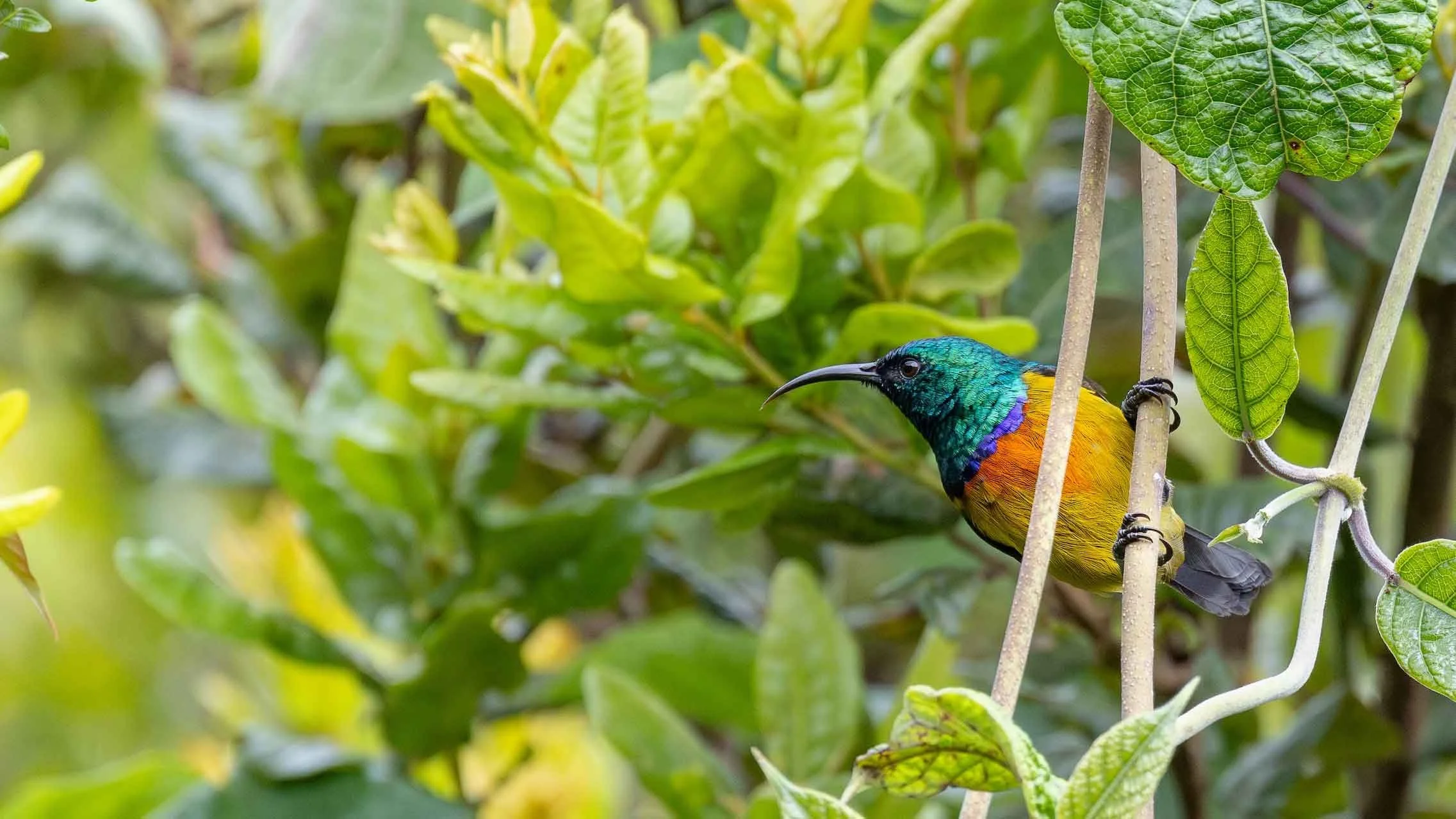
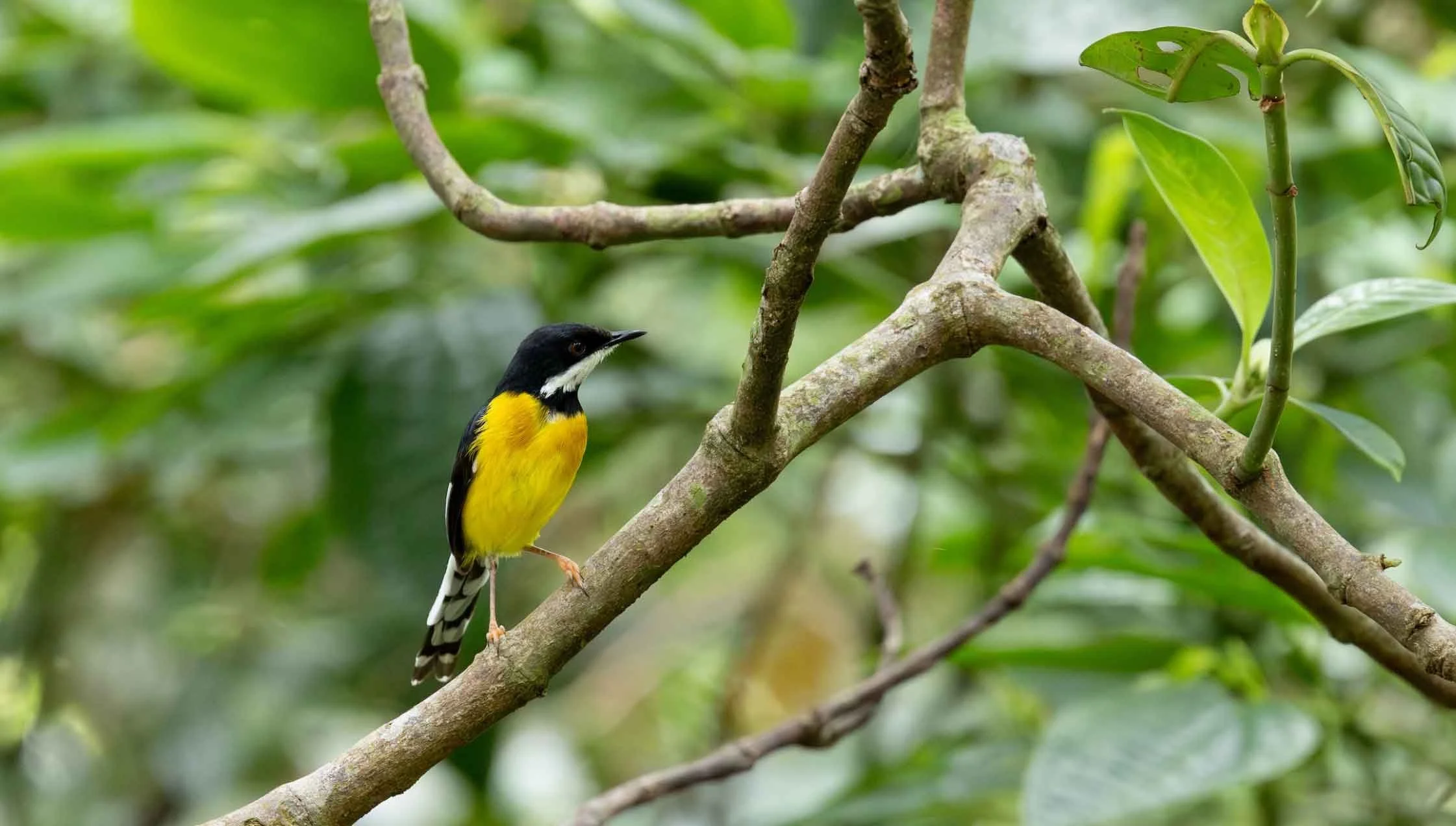
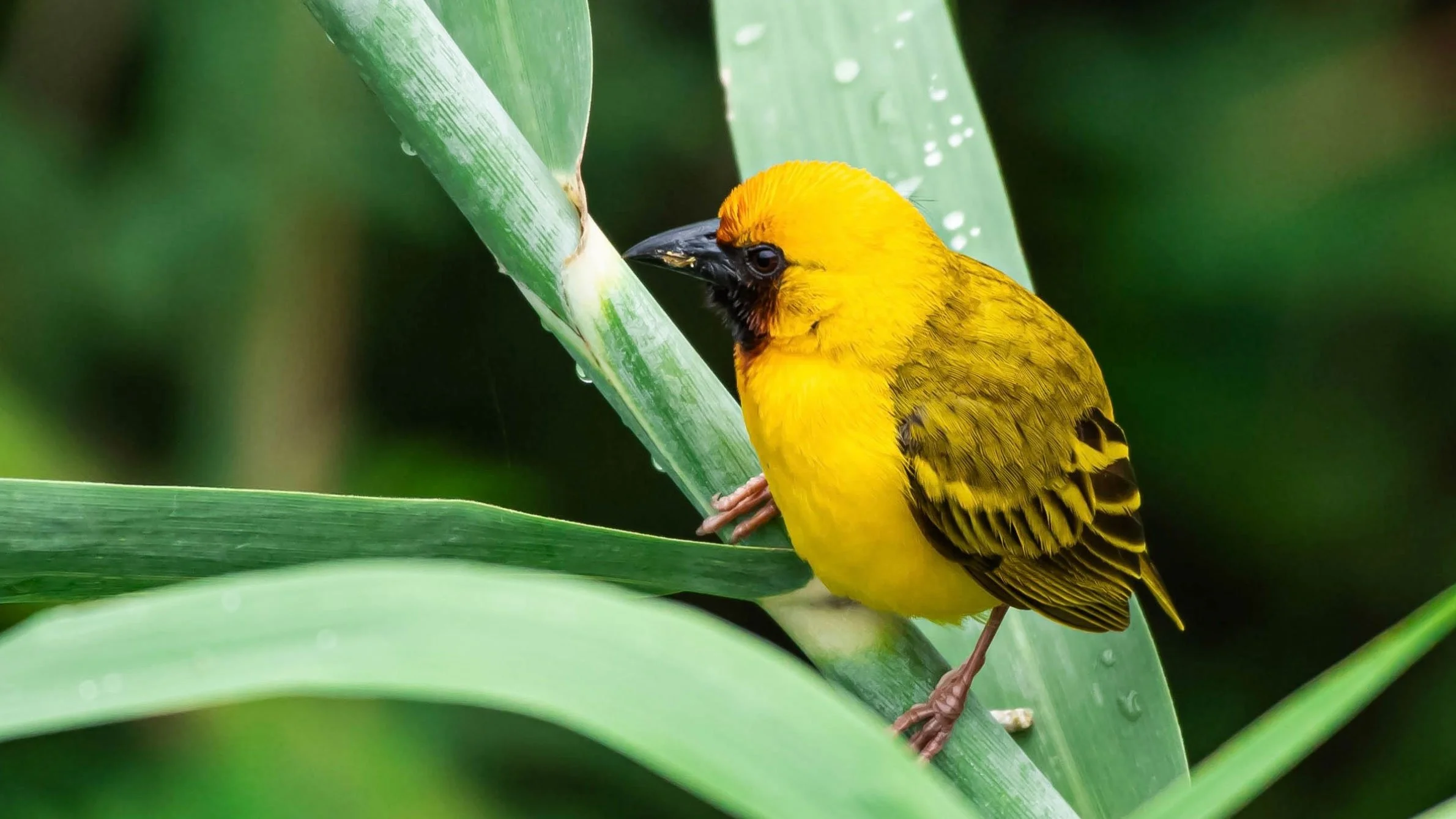
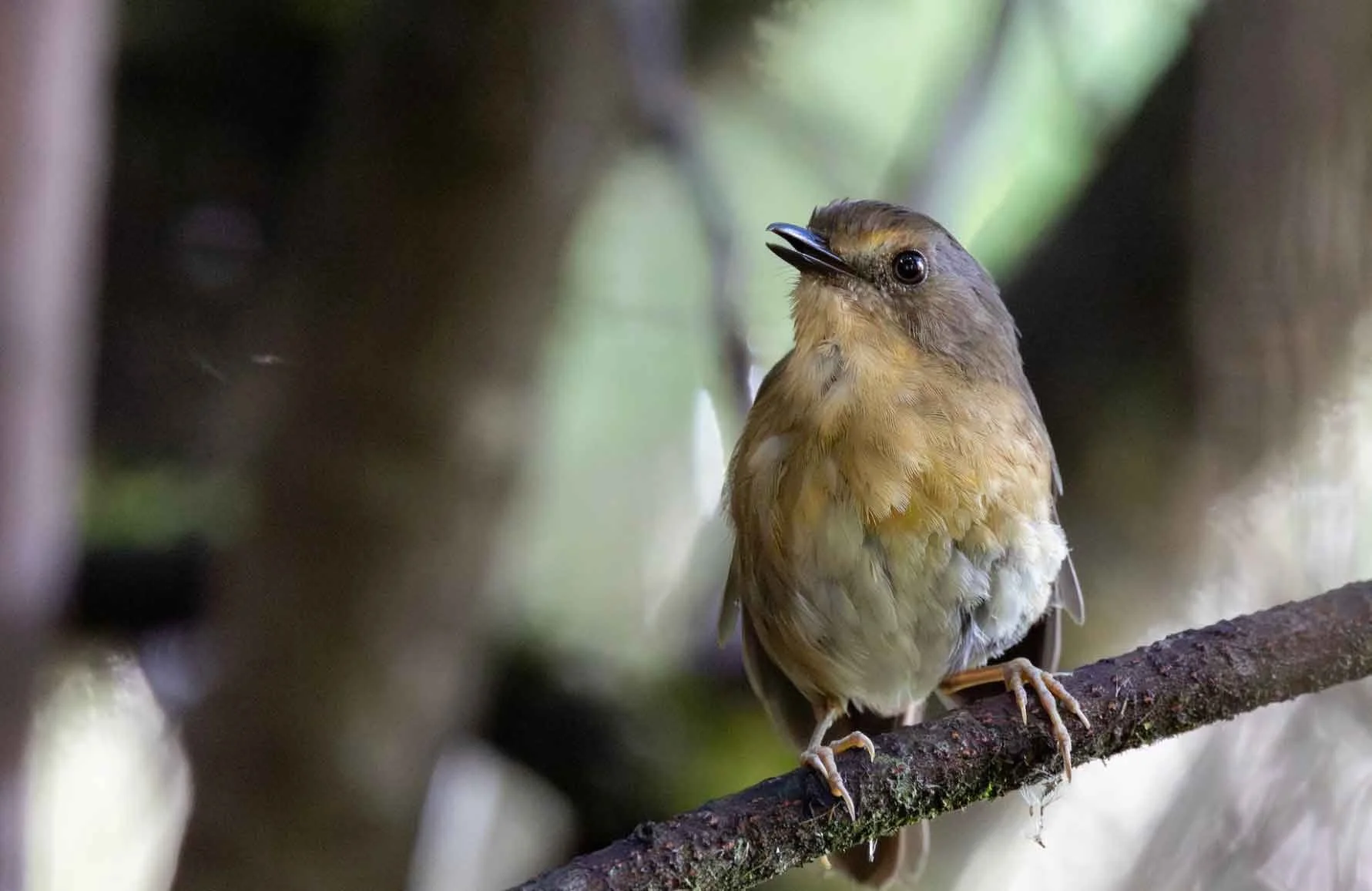
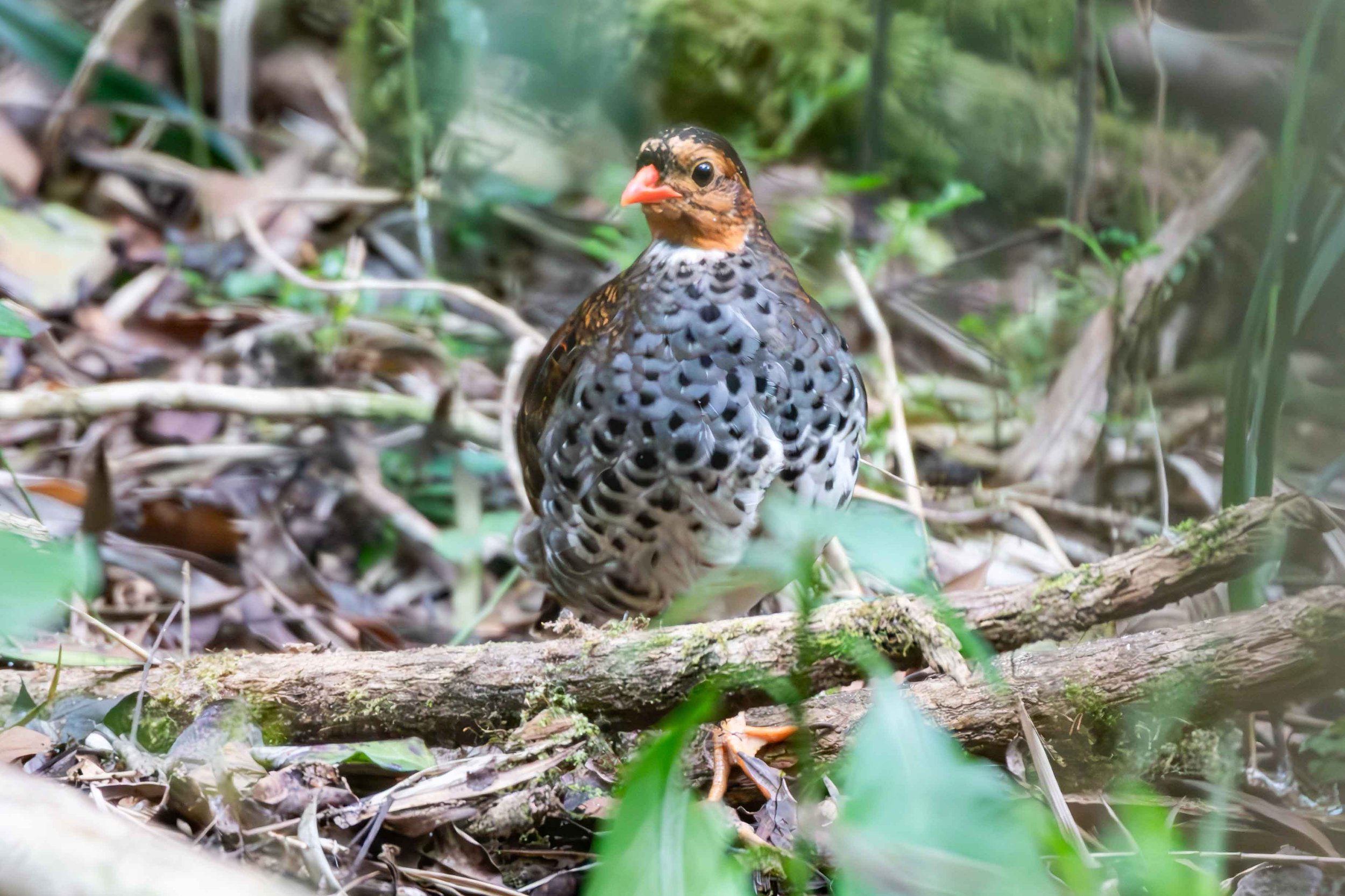
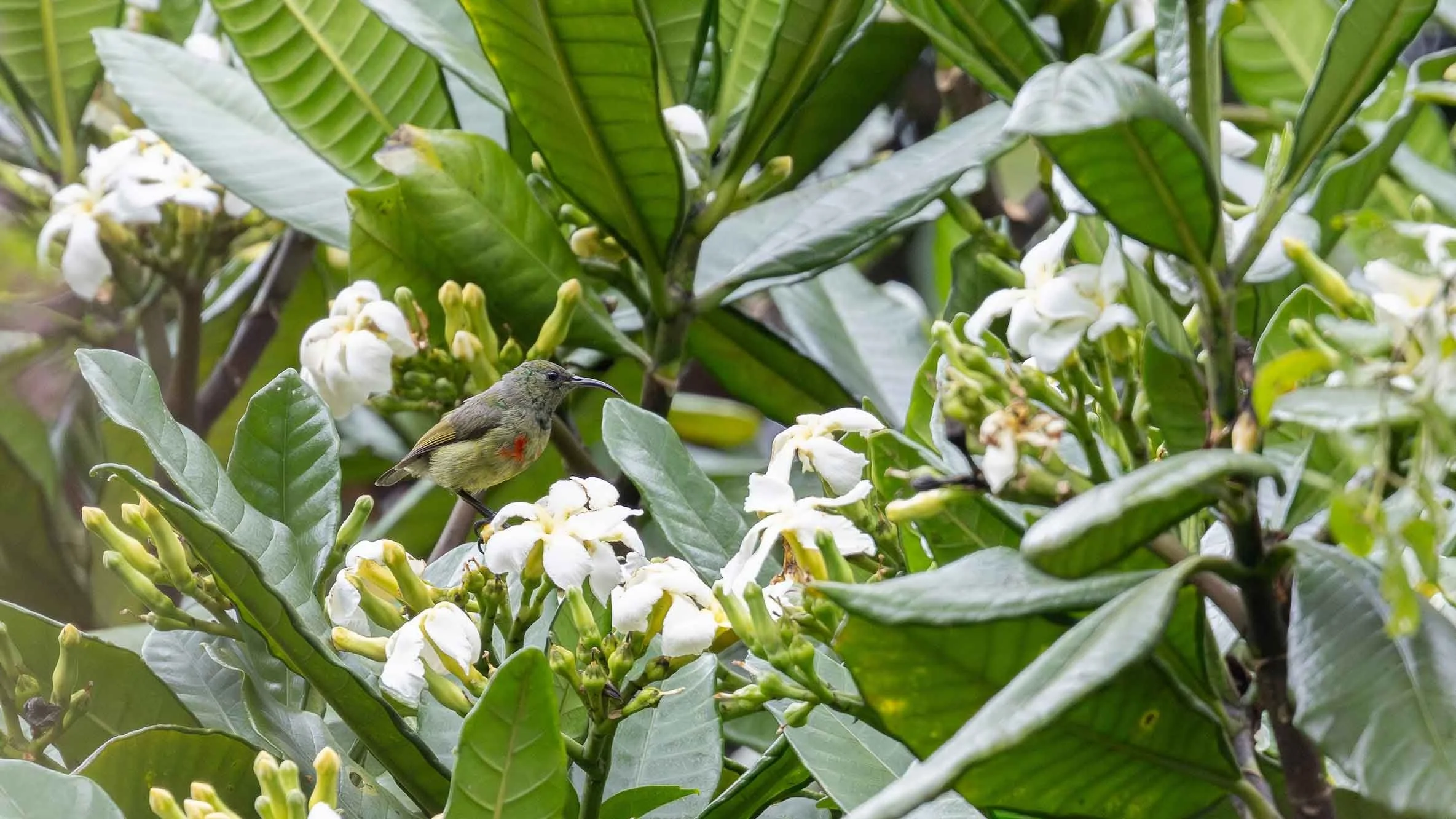
Bird species: Banded Green Sunbird, Uluguru Bushshrike, South Pare White-eye, Kilombero Cisticola, White-tailed Cisticola, Usambara Thrush, Loveridge's Sunbird, Yellow-throated Mountain Greenbul, Ruvu Weaver, Kilombero Weaver, Winifred's Warbler, Tanzanian Illadopsis, Udzungwa Forest Partridge, Kipengere Seedeater, Amani Sunbird, Ashy Starling, Bertram's Weaver, Tanzanian Red-billed Hornbill, Southern Fiscal (Uhehe), Olive-flanked Robin-chat, Fülleborn's Boubou, Long-billed Tailorbird, Rubeho Akalat, and many more.
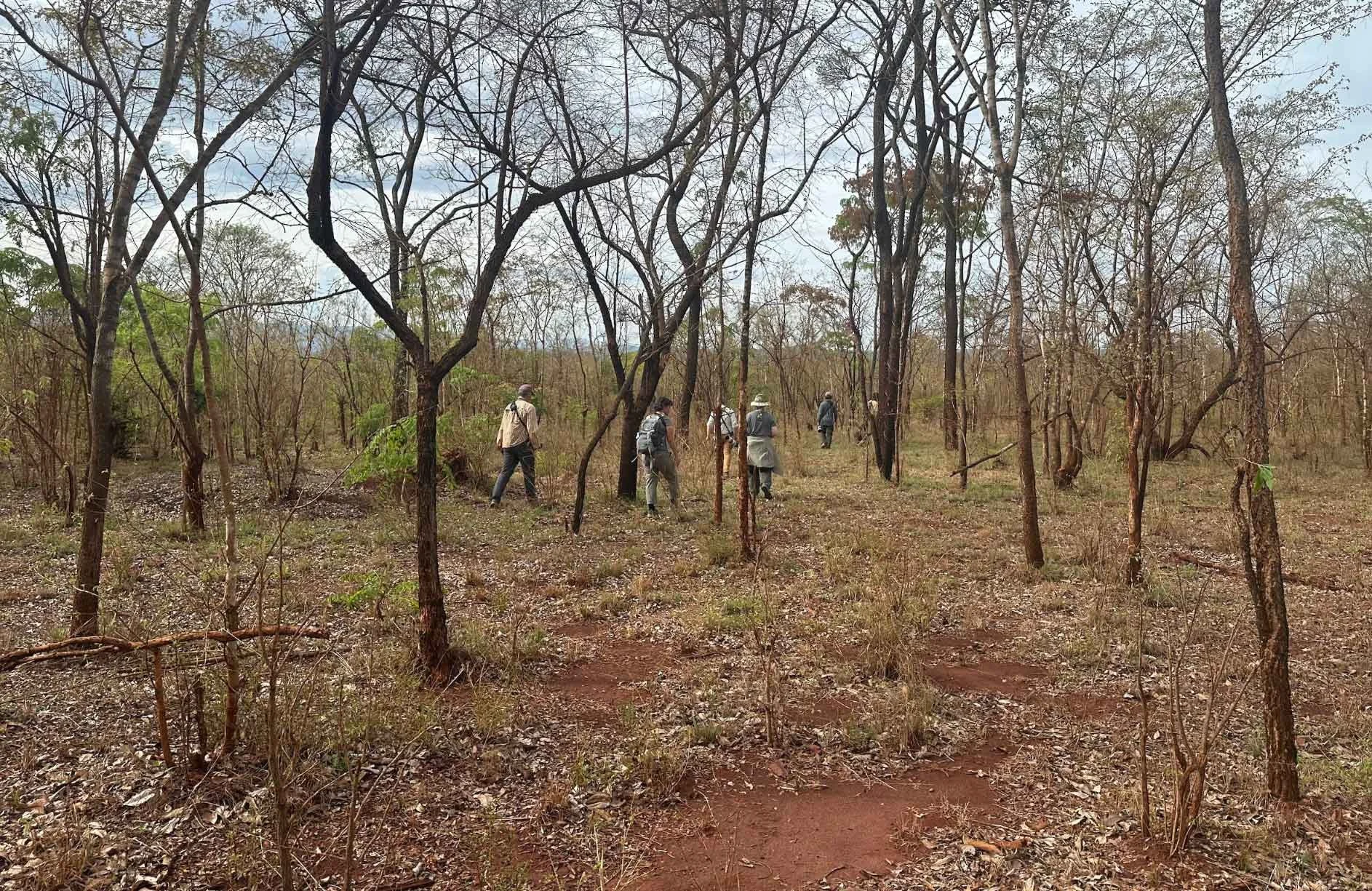
Habitats: Montane forest, Wetlands, Savannah, Semi-arid Scrubland, and Miombo Woodland.
Itinerary
-
Friday, September 24
You will arrive at Kilimanjaro International Airport (JRO), where you will meet our team and be taken to your accommodation close to the airport area to recuperate and prepare for the Tanzania birding adventure ahead.
If you arrive on the morning flight (optional), we will visit Engikaret to search for Tanzania Beesley’s Lark and many other dry-country birds found there.
-
Saturday, September 25
We will depart from Arusha after breakfast and drive to Same town. As we travel through the arid Maasai zone with its characteristic Acacia scrublands, we’ll search for regional specialties such as the Southern Grosbeak-Canary, Acacia Tit, Black-throated Barbet, Golden-breasted Starling, Fischer's Starling, Black-bellied Sunbird, Tsavo Sunbird, Pink-breasted Lark, and Somali Bunting. In the late afternoon, we will head to the South Pare Mountains in search of the target South Pare White-eye. Overnight stay in Same, Kilimanjaro.
-
Sunday, September 26
We will spend the morning birding near the Mkomazi area before heading to West Usambara. Later in the afternoon, we will go to Magamba Forest in the West Usambara Mountains for the birding session. Overnight at Mullers Mountains Lodge.
-
Monday, September 27
Full-day birding. We will explore the lush Magamba nature forest reserve in the West Usambara Mountains, looking for endemics such as the Usambara Double-collared Sunbird, Usambara Akalat, Usambara Weaver, Usambara Thrush, Red-capped Forest Warbler, Black-headed Mountain Greenbul, Montane Tiny Greenbul, Spot-Throat, and others. Overnight at Mullers Mountain Lodge.
-
Tuesday, September 28
Morning birding in Magamba followed by transfer to Amani Forest Nature Reserve in the East Usambara Mountains. We’ll make stops along the way to search for Coastal Cisticola and other birds of interest. Depending on the arrival time, we will either bird in the Amani Botanical Garden or explore the Zigi Forest this afternoon. We will be staying in Amani Rest House or Zigi Rest House for the next 3 nights.
-
Wednesday, September 29 - Thursday, September 30
Over the next two days, We will explore the Amani Forest nature reserve in the botanical, Zigi, and Kwamkoro areas, searching for some of the region's most elusive species. This includes the Banded Green Sunbird, Tanzanian Illadopsis, Usambara Hyliota, Amani Sunbird, Long-billed Tailorbird, Fischer’s Turaco, Green-headed Oriole, Mombasa Woodpecker, Kretschmer's Longbill, Sharpes Akalat, Uluguru Violet-backed Sunbird, Plain-backed Sunbird, and a host of others.
-
Friday, October 1
After breakfast, we will depart for Morogoro. This will be one of the longest drives of our tour, approximately 310 km (192 miles), offering a wonderful opportunity to experience a different side of Tanzania. The journey will take about 8 to 11 hours, including a few stops along the way to search for special species such as Böhm’s Bee-eater and the Ruvu Weaver.
-
Saturday, October 2
On this day, we will head to the Bunduki section as part of Mt. Uluguru to search for the endemics Winifred's Warbler, Loveridge's Sunbird, Uluguru Mountain Greenbul, Bertram's Weaver, and other specialties. Overnight in Morogoro town.
-
Sunday, October 3
On this day we leave around 4am, and we will head to the Tegetero section to search for the endemic, elusive Uluguru Bushshrike and others. Overnight Morogoro Town.
-
Monday, October 4
On this day we will descend Uluguru and travel towards the Mamiwa-Kisara Forest Reserve in the Ukaguru Mountains, with opportunities to search for Rubeho Akalat and Mrs. Moreau's Warbler Rubeho race, and other Eastern Arc endemics. Overnight in Gairo town.
-
Tuesday, October 5
On this day, we will travel to Kilombero Floodplain, one of Africa's largest wetlands, spanning approximately 6,300 square kilometers (2,430 square miles), with a length of about 260 km (161 miles) and a width of up to 52 km (32 miles) at its widest point. Our primary focus will be on spotting the Kilombero Weaver, Kilombero Cisticola, and White-tailed Cisticola. In the late afternoon, if times allow, we will bird around the Mang’ula area, where we will search for the Lesser Seedcracker and Pel's Fishing-Owl. Overnight in Sanje.
-
Wednesday, October 6
Travel to Iringa, with birding stops along the way. Overnight in Iringa town.
-
Thursday, October 7 - Friday, October 8
We will leave very early and head for the northern part of the Udzungwa Scarp Forest Reserve, birding en route as we make our way to Uluti. Our main targets will be the skulking Dapple-throat, Iringa Akalat, endemic Rufous-winged Sunbird, and Swynnerton’s Robin. We’ll be camping the next two nights.
-
Saturday, October 9
Travel to Iringa, with birding stops along the way. Overnight in Iringa town.
-
Sunday, October 10
On this day we will drive to Udekwa village, the gateway to the Kilombero Forest Reserve in the West Udzungwa Mountains. From the village, we will finalize logistics with the help of porters and walk to the forest ranger station to start our hike in the forest. We'll head to our campsite, with possibilities for bird watching along the way. We’ll be camping for the next three nights.
-
Monday, October 11 - Tuesday, October 12
2 full days of birding in the Kilombero Forest Reserve in the Udzungwa Mountains, exploring its montane forest, open scrub, and grassy clearings on foot. Our main targets will be the elusive Udzungwa Forest Partridge and Kipengere Seedeater, two of the region’s key birding specialties. As we hike through the different habitats, we will also look for Black-lored Cisticola and other woodland and forest birds.
During our time in the forest, we will also search for species that are missed out at previous sites, which are also found here, like Moreau’s Sunbird, Spot-throat, Yellow-throated Mountain Greenbul, and others. Our birding will be flexible, allowing time to explore promising trails and revisit areas where activity is excellent.
-
Wednesday, October 13
We will do a morning birding session before returning for breakfast. Afterwards, we will pack up, descend, and travel to Mikumi town for check-in and a relaxed evening.
-
Thursday, October 14
Today we will enter the Miombo woodland along the Kilosa road just north of Mikumi National Park. We’ll bird the road slowly, stopping often to scan the woodland, roadside vegetation, and mixed-species flocks. Target species may include Shelley’s Sunbird (Hofmann’s), Arnot’s Chat, Pale-billed Hornbill, Racket-tailed Roller, Speckle-throated Woodpecker, Neddiky, Lesser Blue-eared Starling (Miombo), Annnot Chat, and others.
Later in the day we will drive into Mikumi National Park for a game drive, combining our birding experience with a chance to see Tanzania’s iconic wildlife. We will return to our accommodation after a full day of birding and wildlife viewing.
-
Friday, October 15
After breakfast we will slowly head back to Dar es Salaam and make a few stops along the way. Overnight in Dar es Salaam.
-
Saturday, October 16
We will commence the morning flight to Pemba Airport (PMA); the birding will commence, depending on when your flight arrives. Our initial destination will be Ngezi Forest Reserve, the island's premier birding location. We'll be on the lookout for Pemba's most sought-after endemic birds, such as the Pemba Green-Pigeon, Pemba Sunbird, and Pemba White-eye.
After a mid-afternoon transfer to your hotel for check-in and a brief rest, we'll venture out again for an evening birding excursion.
We'll explore Makangale Wetland to observe shorebirds and other coastal species. After dark, a quiet forest walk will be the aim to hear the elusive Pemba Scops Owl. Overnight on Pemba Island.
-
Sunday, October 17
Today, we'll dedicate the entire day to Ngezi Forest and its nearby locales, hoping to spot any Pemba endemics we might have missed on the first day.
Should we have already ticked off all the species on our list, we'll take a more leisurely approach, concentrating on coastal and wetland birds, along with other island-specific avian wonders. In the late afternoon, we'll head to the Pemba flying fox, a large fruit bat endemic to Pemba Island, before calling it a day.
-
Monday, October 18
Following a quick breakfast, we'll do some casual birdwatching in the Michweni area.
Depending on your flight schedule, we'll fit in a bit more birding before heading to Pemba Airport for your departure, wrapping up our Tanzania Eastern Arc and Pemba birding experience.
Tour Details
Dates
September 24 - October 18, 2027 (25 days / 24 nights)
Local Tour Leaders
Frank P. Shirima - Eastern Arc
Kombo H. Kombo - Pemba Island
Price
USD 8,200/- Per Person Sharing
USD 850/- Single Supplement
Included
Accommodation (Twin / Double)
Transportation (Airport pick-up & drop-off and Game drives)
Expert Local Bird Guides
Parks, Forest, and Conservation fees
Meals & Water
Excluded
Tips / Gratuity
Beverage and Alcohol
Personal Items
Travel Insurance
Tanzania Visa
Tanzania Mandatory Inbound Insurance
Group size
Max 6 pax
Pace
Normal
Photography opportunity
Medium
Fitness
Easy/Moderate: This tour requires a good level of fitness, as most birding will be done on foot and may involve walking for several hours at a time. Some trails can be slippery, especially after rain. Many of the birding sites are in remote areas and may be far from medical facilities. If you have any physical limits or medical issues, please let us know. We are pleased to discuss your needs and customize your itinerary to ensure the tour is appropriate and comfortable for you.
Practical Information
This tour involves long drives, early and late birding sessions, and walking several miles, often on uneven terrain and up and downhill, especially in the Uluguru and Udzungwa.
Some roads in Morogoro and Iringa are in poor condition, so expect extremely bumpy rides on those days.
Accommodations are generally comfortable, but in some areas, we will stay in very basic local hotels with private rooms and bathrooms. These are the only accommodations available within less than a half-day's drive from our hotspots in that region. While there will be electricity and a running hot shower, be prepared for rustic conditions.
We will spend two nights in Uluti and three nights camping in Luala (Luwala), consisting of ground-level mattresses in tents.